What exactly is quantum – and why is everyone talking about it?
Quantum. The word appears increasingly often in discussions about future technologies, security, medicine and computing. At the same time, the field is often perceived as both abstract and difficult to understand. But, what exactly is quantum – and why is everyone talking about it?
– Publicerad den 10 juni 2026

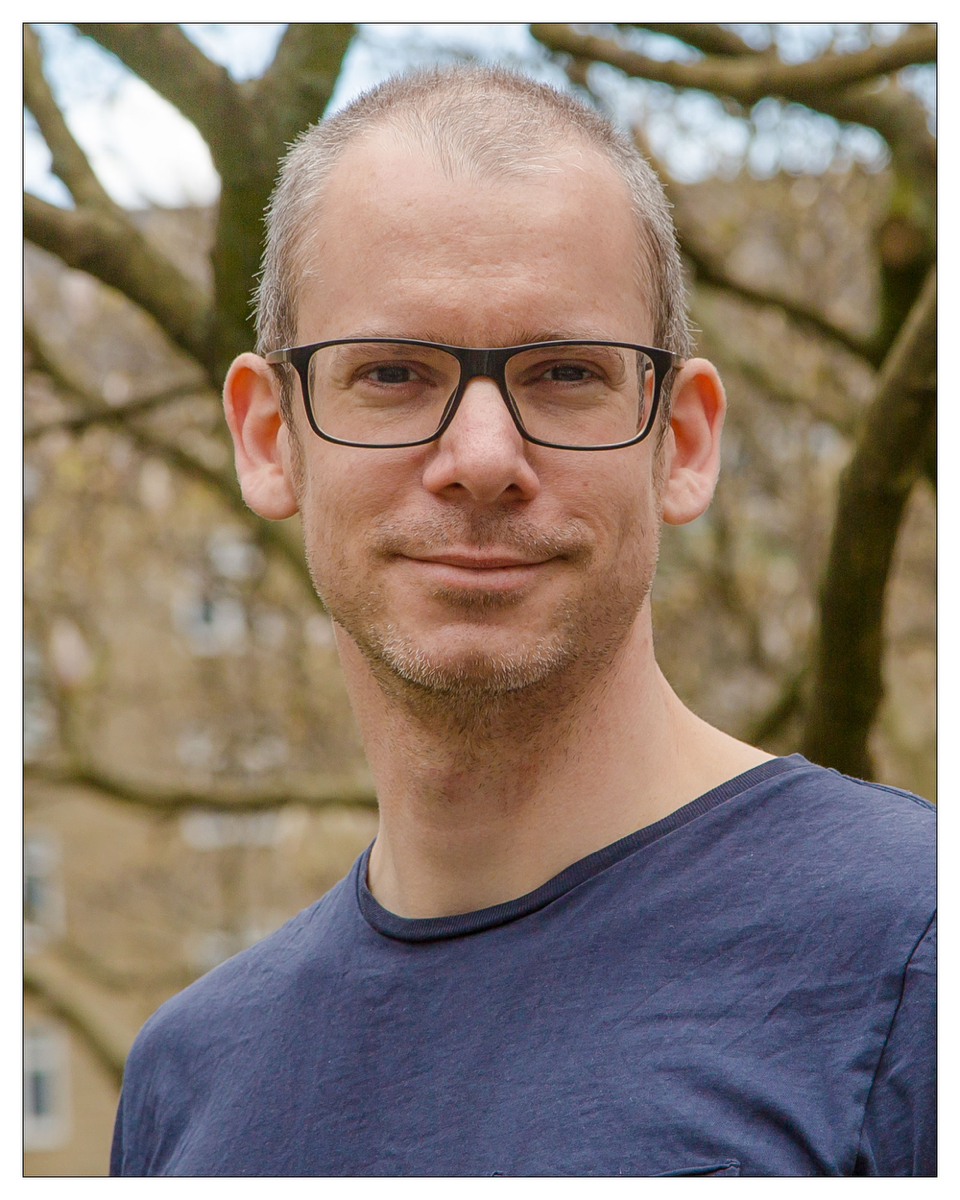
“Quantum physics was developed to describe the very smallest building blocks of the universe. When researchers began studying atoms, electrons and light, they discovered that the ordinary laws of physics were no longer sufficient. A completely new type of physics had to be developed,” says Martin Leijnse, Professor of Solid State Physics and one of the University's quantum researchers.
Unlike classical physics, where the world is described as predictable and deterministic, quantum physics is based on probabilities.
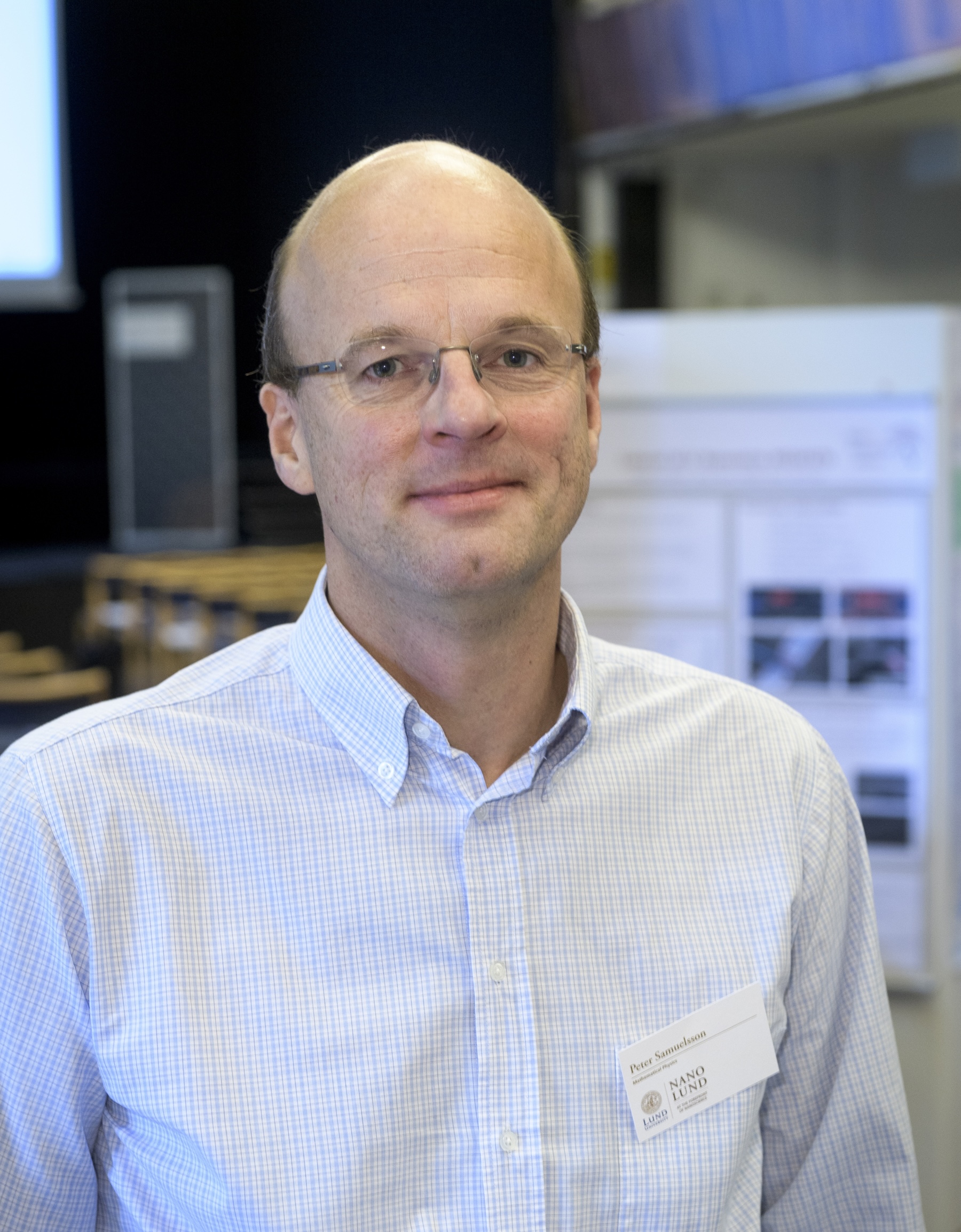
“Before quantum physics, people thought that everything was, in principle, determined and followed clear laws. In the quantum world, however, much depends on probabilities and chance. Einstein found this deeply unsettling and famously remarked that ‘God does not play dice’,” says Peter Samuelsson, Professor of Mathematical Physics and part of the University’s quantum research group.
For a long time, quantum physics was primarily a field of fundamental research. Today, however, the focus is increasingly on applications. This is where quantum technology comes into the picture.
From quantum physics to quantum technology
“Quantum physics is the overarching theory that describes the smallest constituents of the universe. Quantum technology is about the fact that we have now become so skilled at controlling small systems, such as atoms and electrons, that we can actually build technologies based on them,” says Peter Samuelsson.
This may include future quantum computers, ultra-sensitive sensors and entirely new ways of communicating information.
“Many of the most transformative applications still lie ahead of us. But the ability to control small quantum systems in ways that were impossible just a few decades ago is what is driving developments today,” he says.
Lund University is investing in the quantum field
Major investments are currently being made internationally, and efforts in Sweden are also growing rapidly. Lund University is involved in several national initiatives and research environments focused on quantum science and technology.
“Here in Lund, we participate in several major Swedish initiatives in quantum technology, including the Wallenberg Centre for Quantum Technology, which is coordinated by Chalmers University of Technology. We are now also seeing the next wave of investments, with the Swedish Government seeking to play a more active role and invest even more heavily in the field,” says Peter Samuelsson.
Lund University has also been proposed to receive funding within the new strategic research area for quantum technologies as part of the Swedish Research Council’s national initiative on Strategic Research Areas (SFO).
Lund already hosts strong research environments in several fields that are central to the future development of quantum technology.
“We have a long tradition of research in areas such as laser technology, nanoscience, materials science and semiconductor physics. These are all fields that are crucial for the development of quantum technology,” says Martin Leijnse.
A more comprehensive approach
One particular strength is the University's work on quantum sensors – technologies capable of measuring and detecting phenomena with extraordinary precision.
“Quantum sensors can be used to detect magnetic fields, gravitational fields and positioning in entirely new ways. There are ideas about navigation without GPS and about detecting objects beneath the ground or under the sea with extremely high sensitivity,” says Peter Samuelsson.
Medical applications are also highlighted as an area with significant potential.
“More advanced medical imaging is one example. We can imagine improved MRI scanners and new ways of diagnosing diseases such as cancer or studying the nervous system,” says Martin Leijnse.
Developments in Lund are also about bringing together expertise from a wide range of disciplines.
“We are working to create a more coherent approach to quantum technology in Lund and to strengthen collaboration across the University. We have physicists, chemists, biophysicists, mathematicians and nanoscientists who can all contribute to the development of future quantum technologies,” says Peter Samuelsson.
Martin Leijnse also highlights the development of the new NanoLab as an important piece of the puzzle moving forward.
“It is a key investment for the future of quantum technologies in Lund. New research environments and advanced infrastructure will also strengthen our ability to attract researchers and further expand our activities,” he says.
Quantum in Almedalen
During Almedalsveckan, Lund University hopes both to contribute to public understanding of the field and to strengthen the University's visibility within it.
“Many people have heard the word ‘quantum’ but may not really know what it means. We want to make the field easier to understand while also demonstrating that Lund University is a strong player in quantum technology,” says Peter Samuelsson.
Facts: Here's how Lund University is investing in quantum technology right now
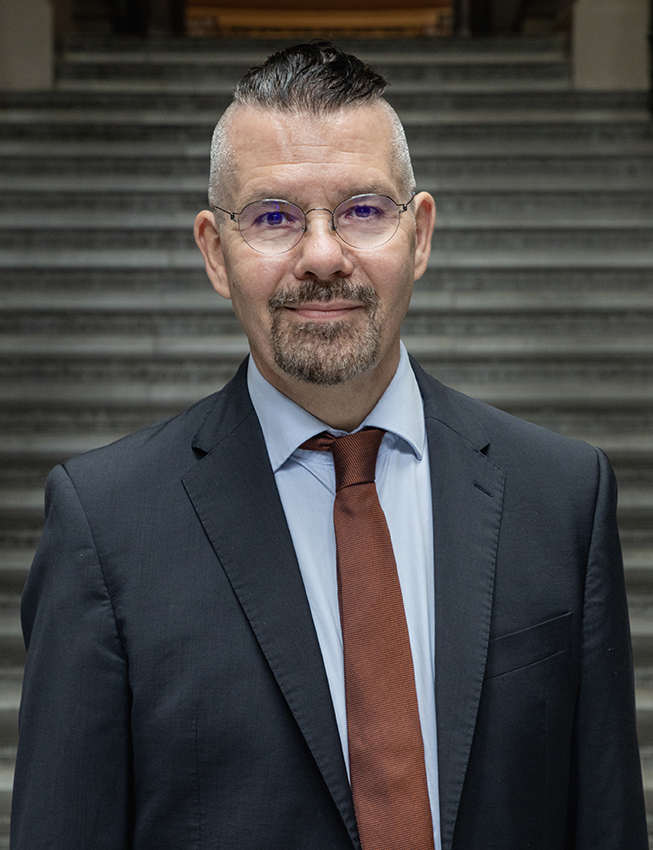
“Quantum technology has the potential to fundamentally transform society, which is why Lund University is making a strategic and long-term commitment to this field. We are building on the quantum research already being conducted in a Nobel Prize-winning, world-class environment. By bringing together expertise from multiple disciplines and investing in the research environments of the future, we aim to strengthen the development of quantum technology both nationally and globally. Our ambition is not only to maintain our strong position, but to take the next step in areas where Lund already stands strong”, says Erik Renström, Vice-Chancellor of Lund University.
Three recent examples:
Lund University is proposed to receive funding within the new strategic research area for quantum technologies, as part of the Swedish Research Council’s national initiative on new strategic research areas (SFOs).
Recently, Lund University signed a joint letter of intent with Chalmers University of Technology, the Royal Institute of Technology (KTH), Linköping University, Stockholm University, and Uppsala University to establish the Swedish Center for Quantum Technology – a national center for research, education, and innovation in quantum technology.
During this year’s Almedalen Week, quantum computing will be highlighted in several venues. Lund University is participating in two of them:
What exactly is quantum – and why is everyone talking about it? – 25 June 9.00-9.45 at Hästgatan 13 in Visby
Quantum technology is here – will Sweden prepare? – 25 June 11.00-11.30 at S:t Hansgatan 21 in Visby