
Rights-based climate adaptation
Putting people and rights at the centre of climate adaptation
Climate change does not affect everyone equally. How adaptation measures are designed and whose needs, knowledge and rights are considered can determine who becomes more resilient and who remains vulnerable.
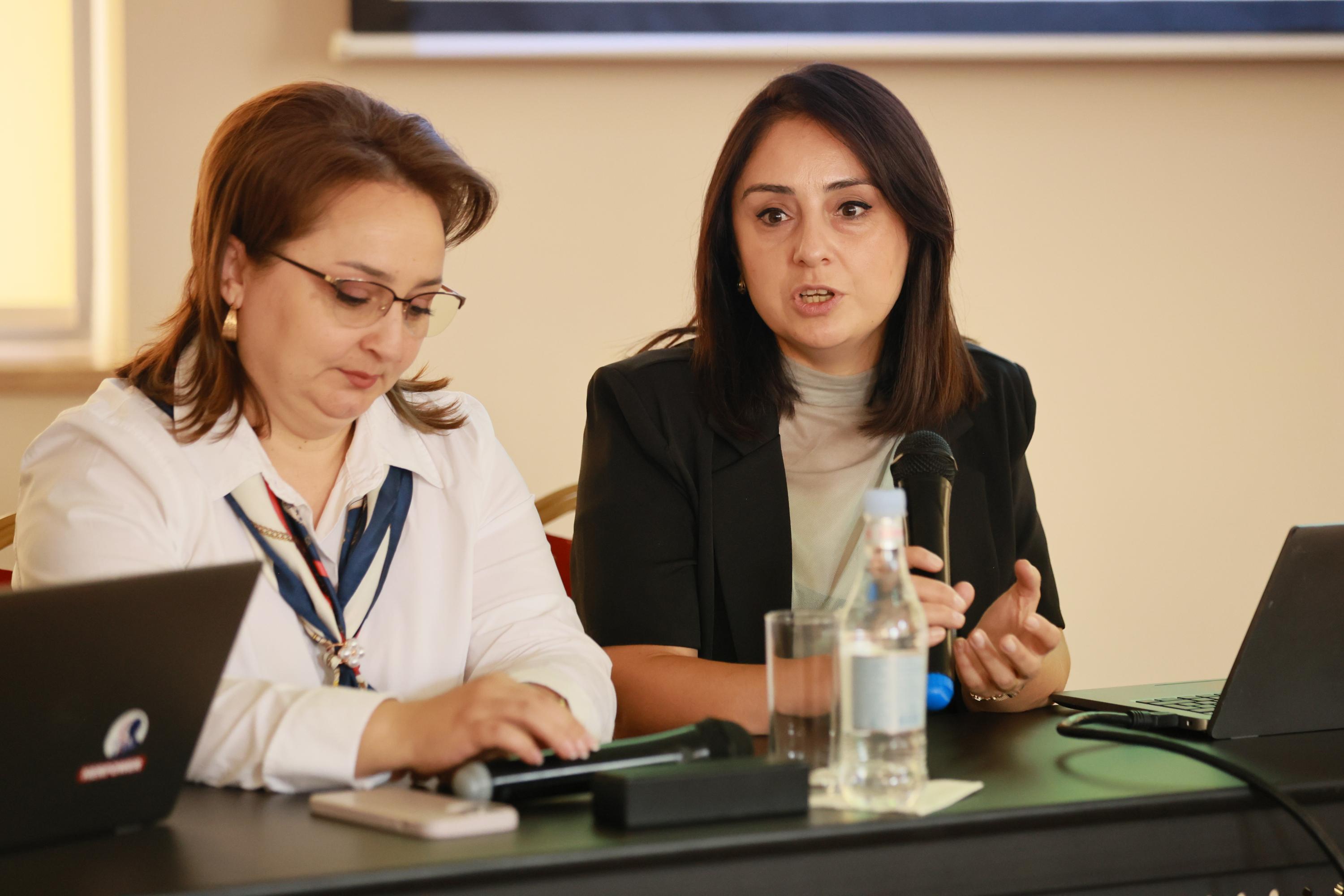
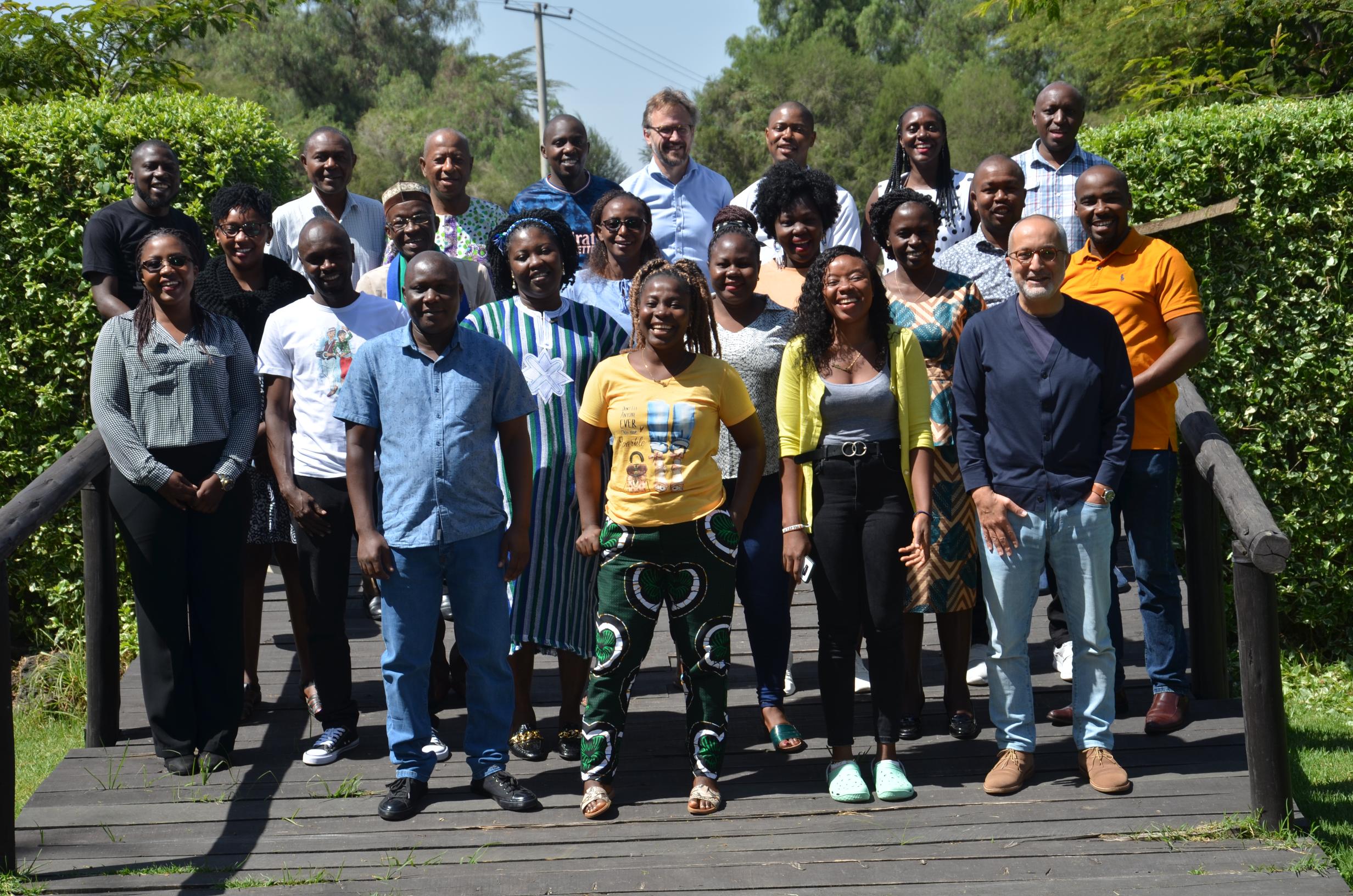
Between 2022 and 2025, LTH and the Raoul Wallenberg Institute of Human Rights and Humanitarian Law (RWI) delivered two programmes funded by the Swedish Institute exploring how human rights and gender equality can be integrated into climate adaptation, disaster risk reduction and responses to climate-related displacement.
The programmes brought together public-sector professionals working at national and local levels in Kenya, Uganda, Sierra Leone, Armenia and Georgia. Participants represented fields ranging from disaster management and urban planning to public health, water management, community development and communication.
This cross-sectoral approach was important. Climate risks rarely fit neatly within the mandate of a single authority or profession.
From new perspectives to practical action
Participants applied rights-based approaches directly to challenges in their own cities, institutions and countries. Through City and Country Profiles and action plans, they translated learning into recommendations and concrete pathways for continued work.
The results extended beyond the programme itself. Participants initiated new policies and strategies, training activities and institutional collaborations. In Georgia, for example, rights-based perspectives were incorporated into municipal strategies and work plans. Across both Africa and the Caucasus, participants have taken forward initiatives related to policy development, capacity building and continued collaboration.
The programmes also created networks connecting professionals across institutions, sectors and countries – providing a foundation for continued knowledge exchange and joint initiatives.
Why it still matters
The Paris Agreement on Climate Change still needs to be fully operationalised. The Agreement clearly states that:
"Parties should, when taking action to address climate change, respect, promote and consider their respective obligations on human rights, the right to health, the rights of indigenous peoples, local communities, migrants, children, persons with disabilities and people in vulnerable situations and the right to development, as well as gender equality, empowerment of women and intergenerational equity."