
“We need both the bright light and the expertise”
This autumn, MAX IV celebrates 10 years of accelerating science. Being able to carry out experiments close to home is a significant advantage for researchers in Lund, says Hanna Isaksson, whose work in biomedical engineering is helping to generate new knowledge with help from the beamlines and the expertise available at MAX IV.
– Published 19 October 2026
Hanna Isaksson, Professor at the Division of biomedical engineering, combines experimental materials science with mechanical modelling to understand how musculoskeletal tissues respond to loading and how they heal following injury or disease.
Over the years, an increasing share of her research has involved synchrotron light, the powerful beam of light generated at the MAX IV facility in Lund, one of the strongest of its kind in the world.
“Our research group uses this intense form of X-rays to address questions in biomechanics. It enables us to obtain information about the structure of tissues and to gain a better understanding of, for example, injuries and healing processes,” says Hanna Isaksson.
More specifically, she and her team investigate how the structure and composition of bones, joints and tendons affect their mechanical function, and how new tissue forms following injury.
A special light
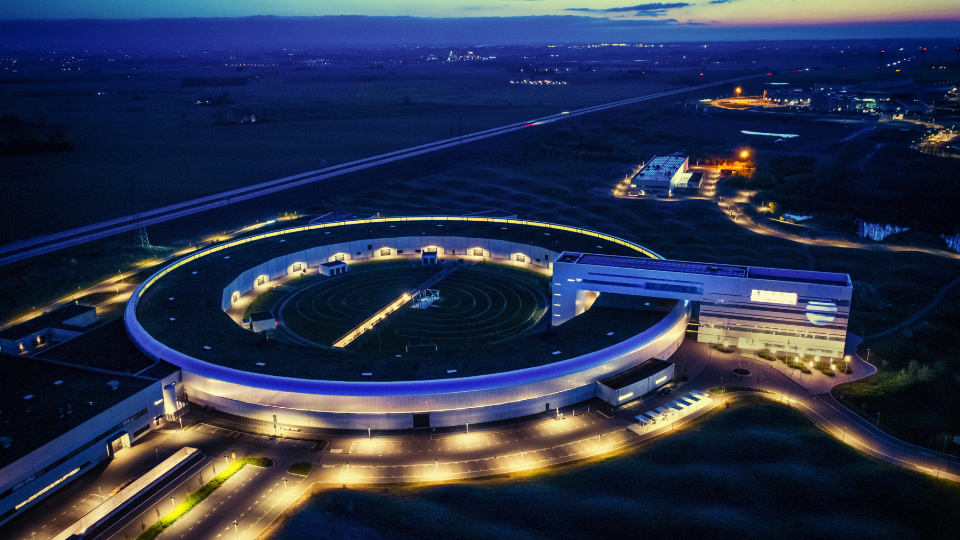
Having an accelerator in north-eastern Lund, housed within an architect-designed “silver ring”, that generates and powers this unique beam of light is certainly no disadvantage.
“We study how musculoskeletal tissues deform under load. During synchrotron experiments, we apply loads to tissues and observe in real time how they change their behaviour. This means that, in conditions such as osteoarthritis or after an Achilles tendon rupture, we can see how tissue heals and how degenerated or newly formed tissue can bear load.”
Close to home
Hanna Isaksson’s work at synchrotron beamlines is not limited to MAX IV. Earlier this summer, for example, her research group published a study in the highly regarded journal Osteoarthritis and Cartilage, based on research conducted at MAX IV and the Swiss Light Source in Switzerland.
X-ray study gives clues to earlier osteoarthritis detection (at the MAX IV web)
“Of course, it is a major advantage for us in Lund to be able to carry out experiments close to home rather than travelling around the world. When we use MAX IV, we are not just after the bright light, we are also dependent on the expertise of the staff.”
The Potential of AI
According to Hanna Isaksson, researchers can generate datasets of several terabytes per day during synchrotron experiments. Will the amount of data that can be collected at large-scale research facilities become even greater in the future, perhaps to the point of being almost unmanageable?
“Various AI-based tools will become essential for handling the vast quantities of research data. AI has significant potential to filter, sort and identify patterns in, for example, large image datasets from synchrotron experiments in real time. Hopefully, this will also shorten the lead time from experiment to the presentation of results,” she says.
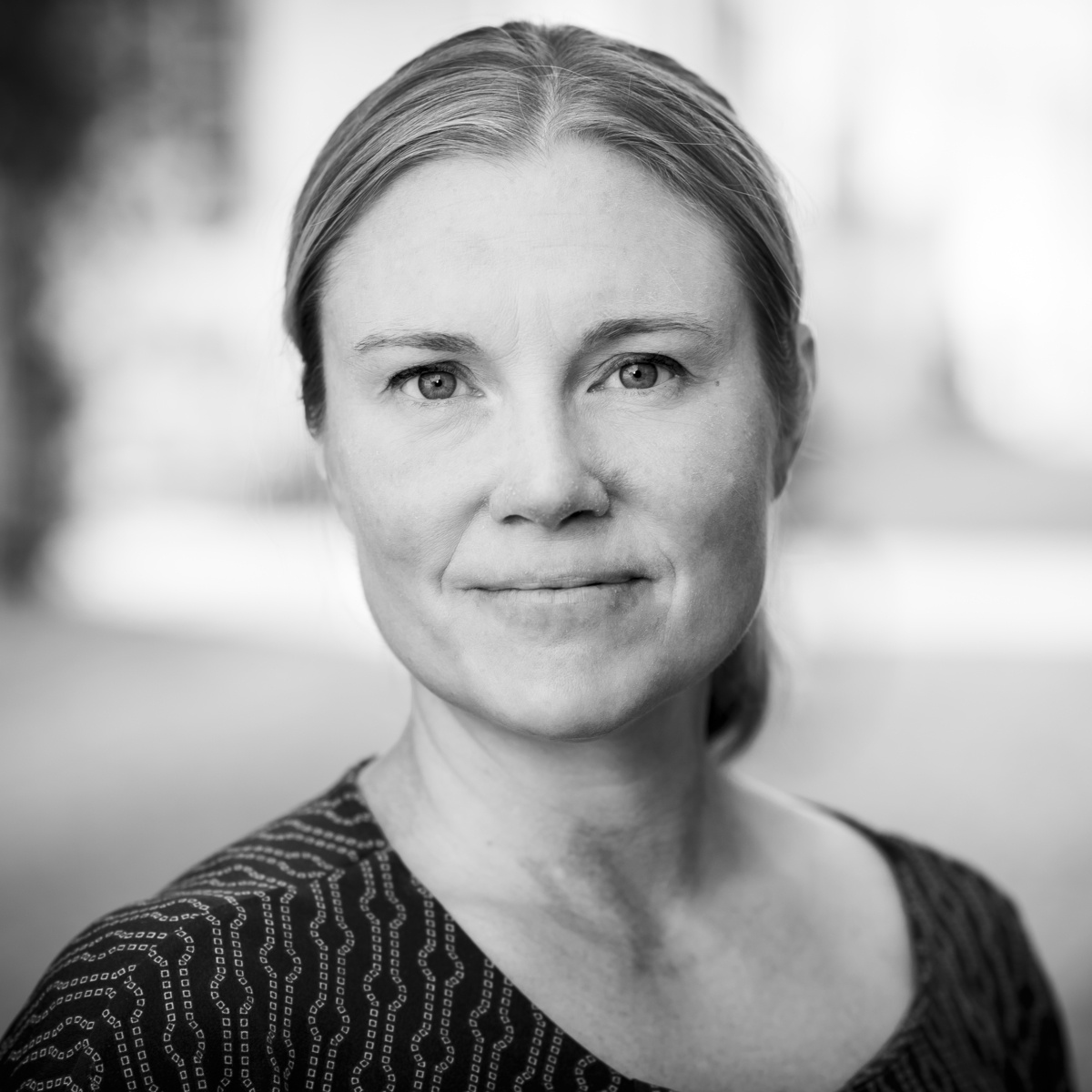
Hanna Isaksson
Hanna Isaksson is Professor at the Division for biomedical engineering, LTH.
More about MAX IV
MAX IV is one of the world’s leading synchrotron radiation facilities. It was inaugurated in 2016 and today operates 16 beamlines, serving around 2,000 users annually.
Together with ESS, which will be the world’s most powerful accelerator-based neutron source, MAX IV is expected to help establish north-eastern Lund as a centre for breakthrough research, cutting-edge technology and innovation in fields including materials science and the life sciences.
More about the anniversary celebrant (on the MAX IV website, in English)