News | LTH Profile Areas
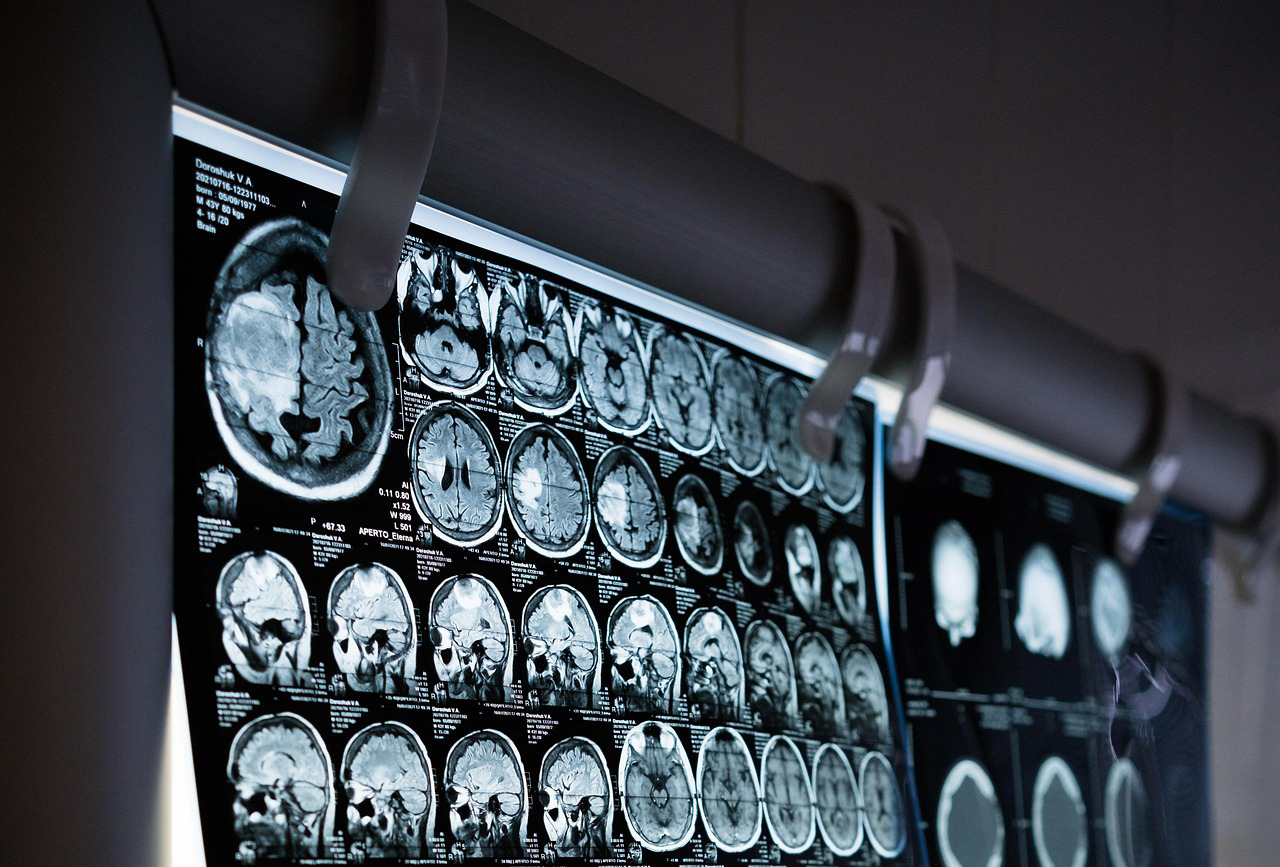
Doctoral thesis in biomedical engineering: AI analyses of magnetic resonance imaging examinations
Magnetic resonance cameras are used routinely for evaluating normal heart functions and to discover heart disease.
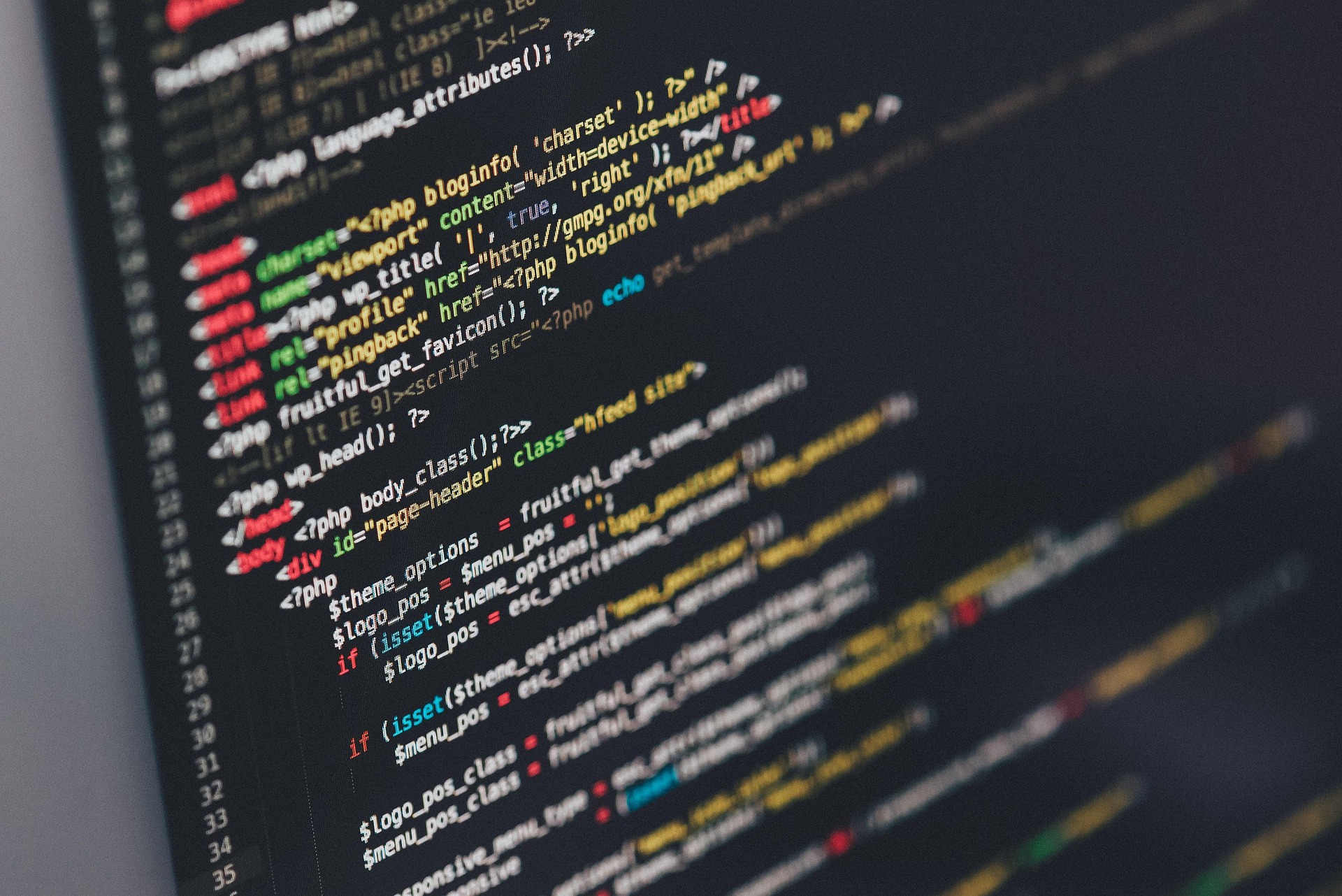
For the good of the code reviewer
Code review is somewhat of a hidden activity, but wherever software is written today, code review also takes place. One estimate suggests that as many hours are spent on code review worldwide as people spend watching television. Lo Gullstrand Heander’s research explores how code reviewers can best be supported in their work.
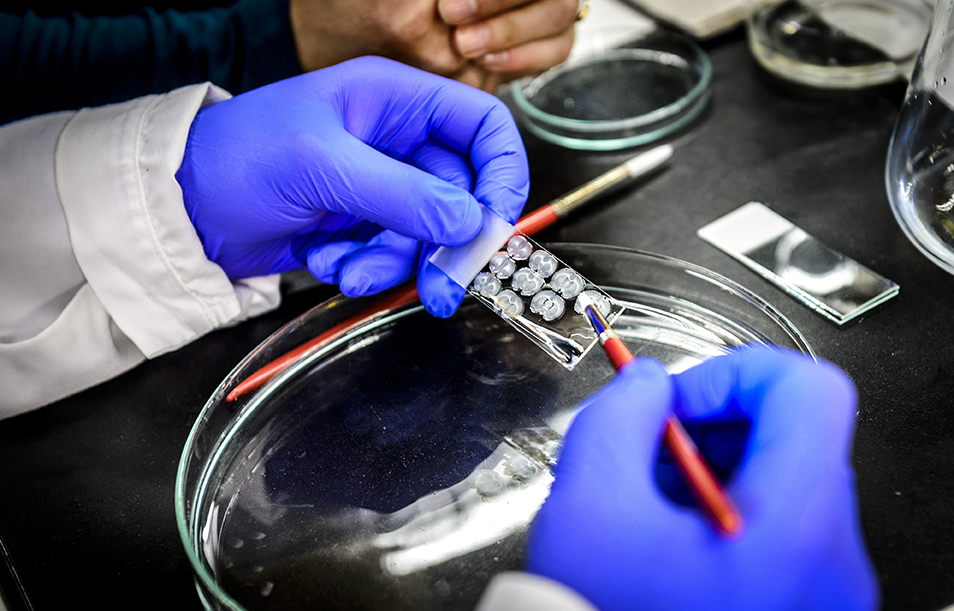
Doctoral thesis in Immunotechnology: Combating cancer in the bladder
A new type of cancer treatment is emerging that uses the body's own immune system to fight cancer. This works clinically and is currently used in various ways to treat different types of cancer.
Network grant for planning future excellence clusters
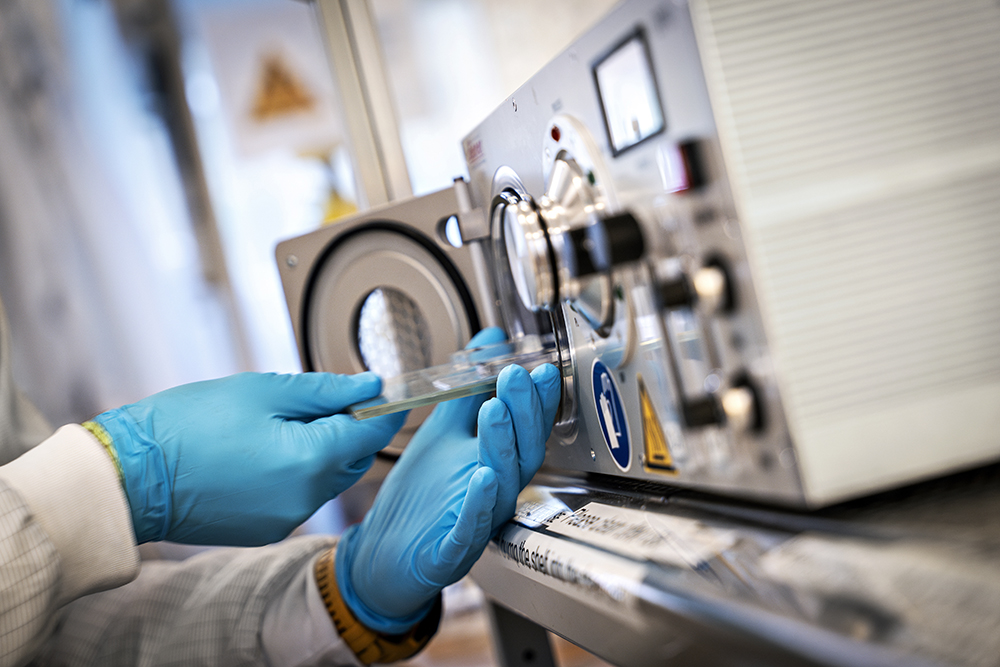
The Swedish Research Council has decided on the applications to be awarded network grant for planning future excellence clusters for groundbreaking technologies. Of the 40 networks approved, four are at The Faculty of Engineering, Lund University.
Fly ash at the Culture Night: Waste in a new light
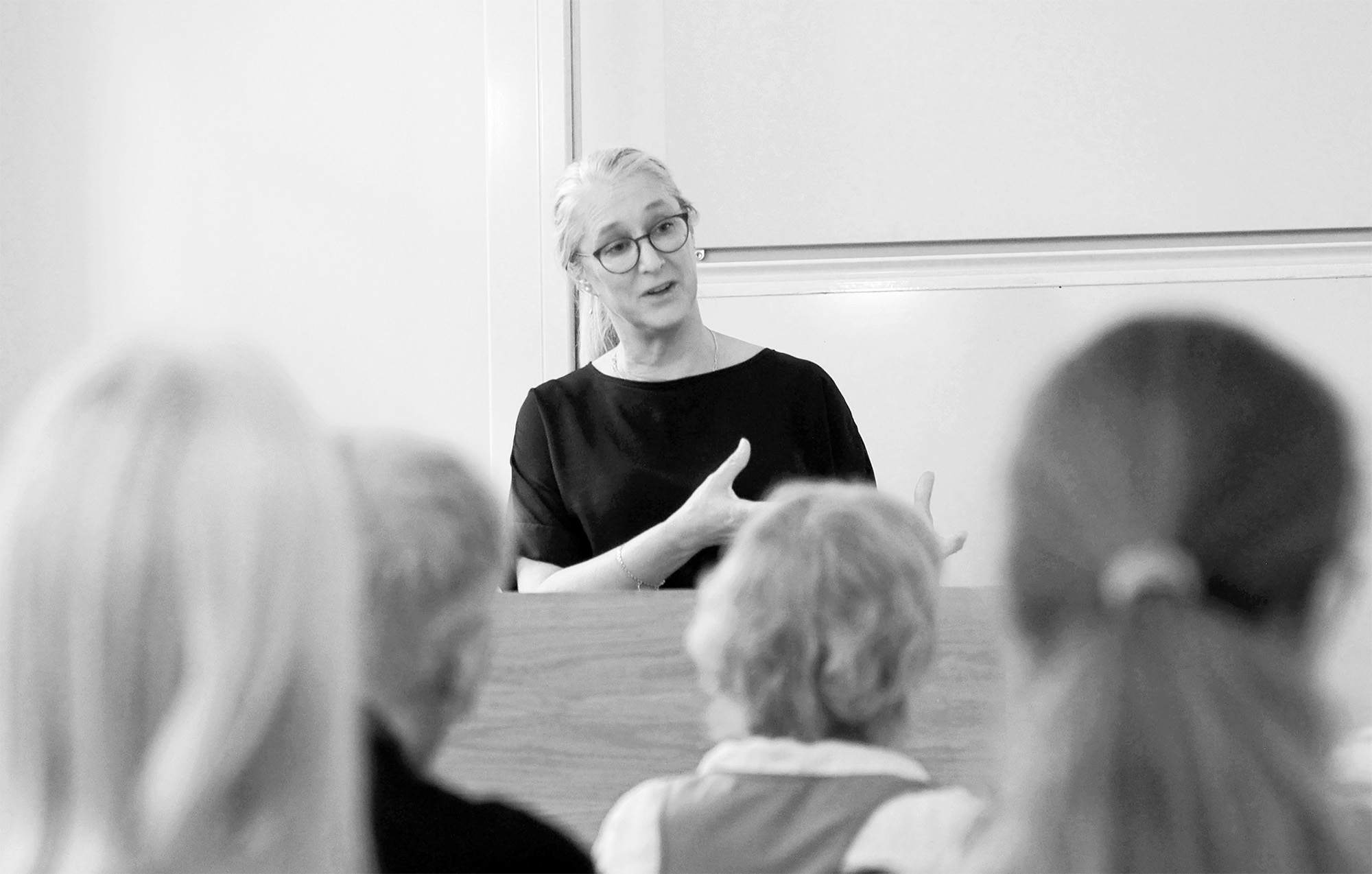
Waste and ash were the themes of aerosol researcher Jenny Rissler's seminar during the Culture Night 2025. The ashes left over after waste incineration contain more than just rubbish. Zinc, a metal that is predicted to be in short supply in the future, can be recovered – but how easy this is depends on the design of the incineration plant and the [...]
AI and innovation on the agenda when IMY visits Lund
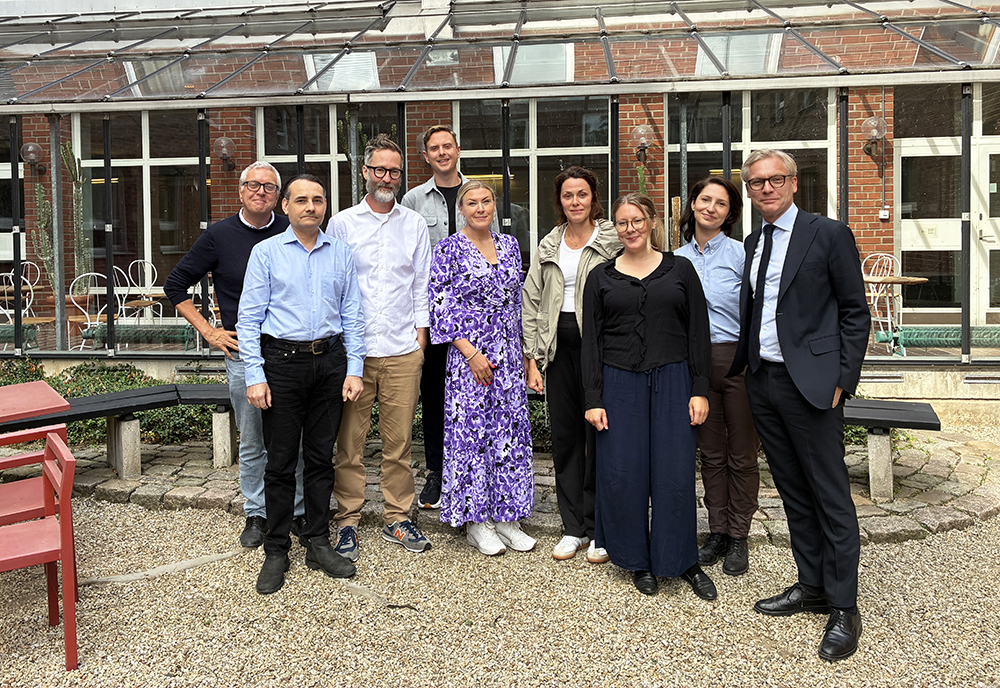
The Swedish Authority for Privacy Protection (IMY) recently visited the AI and Society research group at LTH and AI Lund to discuss artificial intelligence. In addition to the latest research, the meeting focused on multidisciplinary perspectives, transparency, and how the authority can collaborate with academia to ensure that AI is developed in a [...]
Best paper awards – and a longstanding contribution
Researchers in the strategic research area of AI and digitalization have received several awards recently. One of them is best paper award of the esteemed IEEE Antennas and Propagation Society, another is that The IEEE Information Theory Society has recognized the contribution of Professor John B. Anderson to the information theory community.
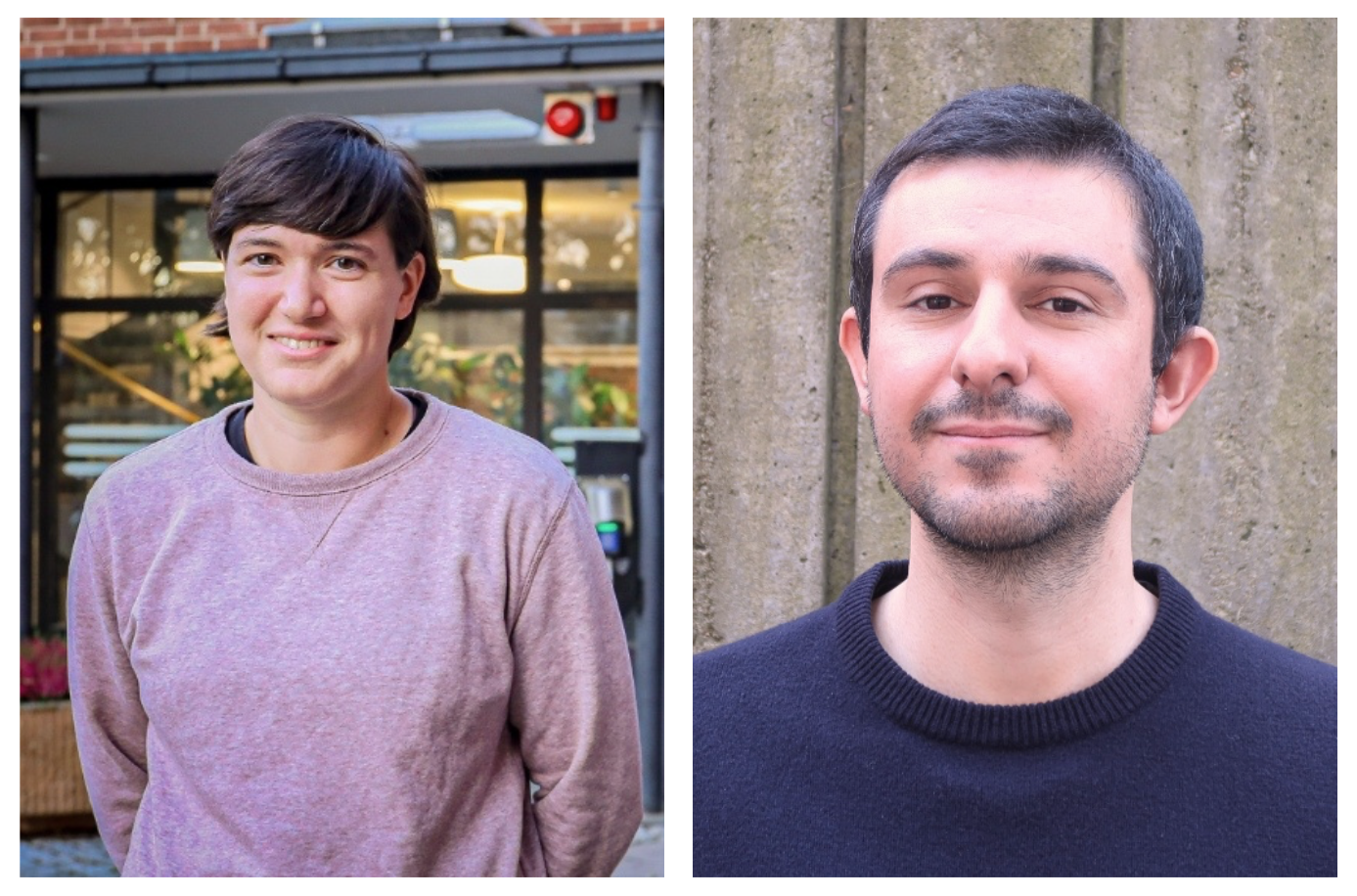
SEK 30 million awarded for research on ultrashort laser pulses and quantum mechanics
Anne-Lise Viotti and Armin Tavakoli will each receive SEK 15 million grants as part of the Swedish Foundation for Strategic Research’s investment in Future Research Leaders.
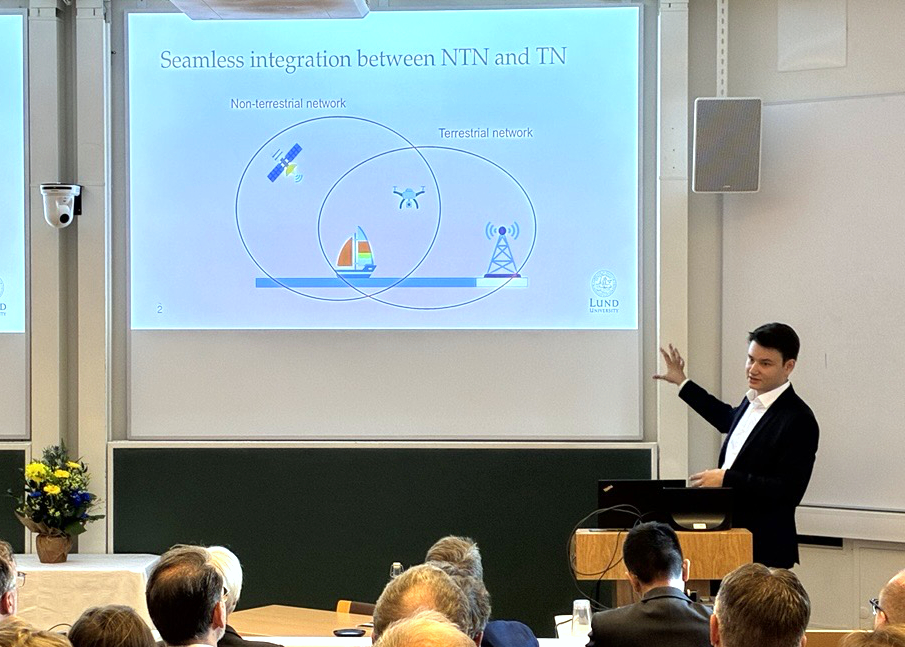
First there was maritime communication
The very first form of wireless communication was maritime; to be able to communicate with vessels far out on the oceans, radio transmissions have been used from late 1890’s. Today, there is a need for reliable connectivity at sea for positioning, and the future applications of remote pilotage, search and rescue, and autonomous shipping.
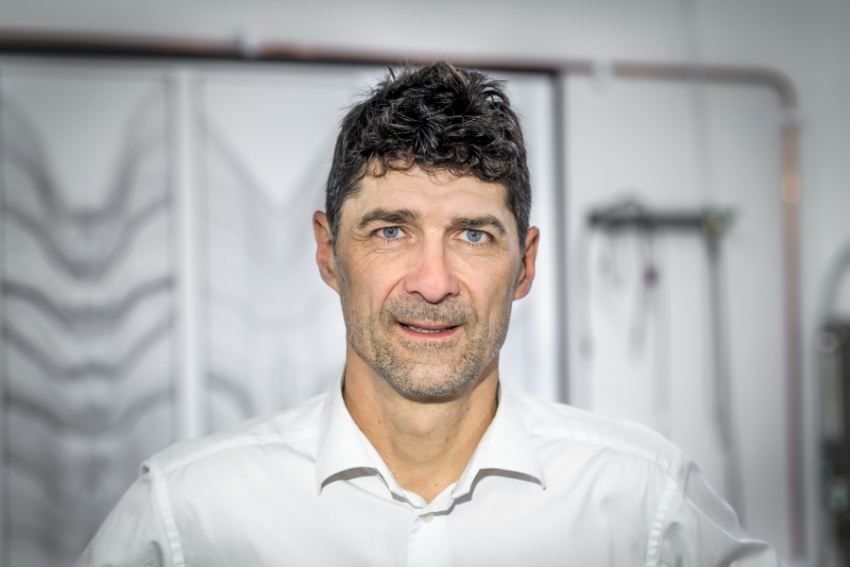
"The best of both worlds" – Heiner Linke on why Swedish researchers should invest in innovation
Can innovation strengthen research? Heiner Linke, professor of nanophysics and member of the Royal Swedish Academy of Sciences, has done exactly that by combining research and innovation. His own attitude towards utilisation and innovation has evolved from a sense of duty to passion: "Now I think it's genuinely exciting."