News | LTH Profile Area: The Energy Transition
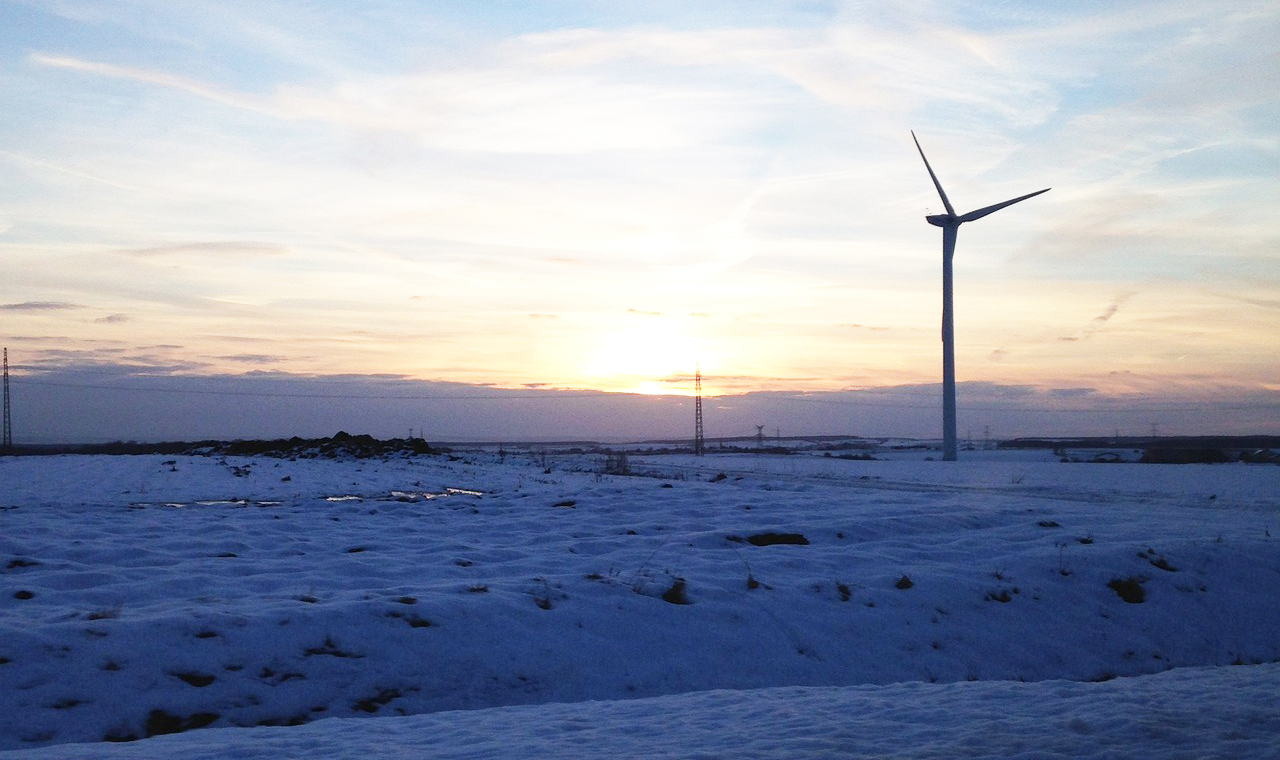
Sustainability Week: LTH discusses solutions to the climate crisis
Reindustrialisation, coastal perspectives, circular construction and carbon capture. The topics addressed by LTH during Sustainability Week 8–13 April include solutions to the climate crisis and how to use the Earth’s resources more carefully. The programme is aimed at everyone who wants to take part in the discussions on the sustainable strategies [...]
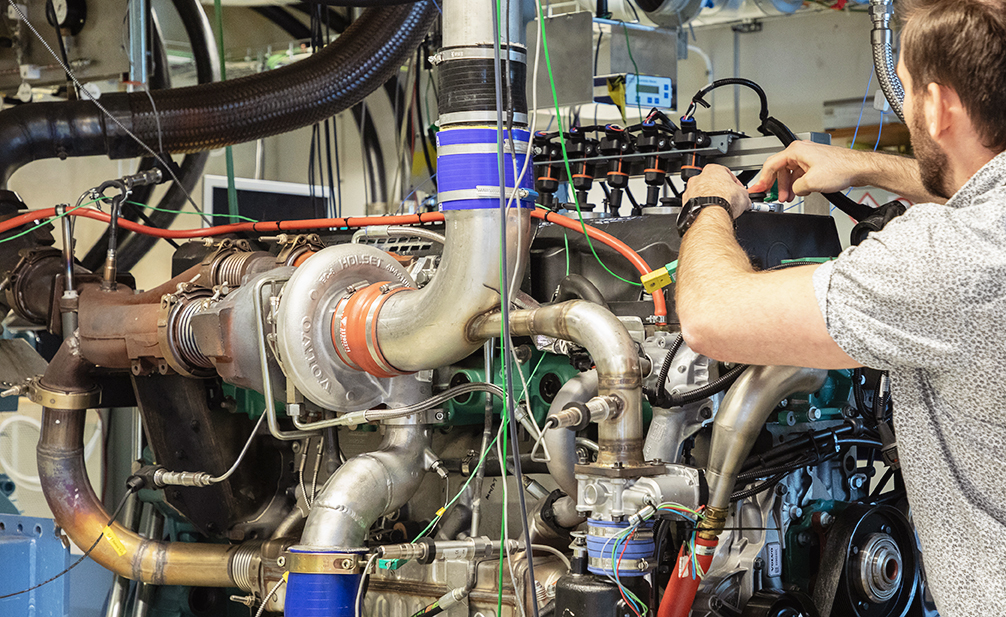
Hydrogen research is accelerated by Volvo scholarship for internal combustion engine technique
PhD scholarships dedicated to hydrogen combustion engine technology are now initiated by the Volvo Group in collaboration with two technical universities in Sweden. Two PhD students will conduct their research at Chalmers University of Technology and at LTH, Lund University, while being employed by the Volvo Group. Recruitment will start during the [...]
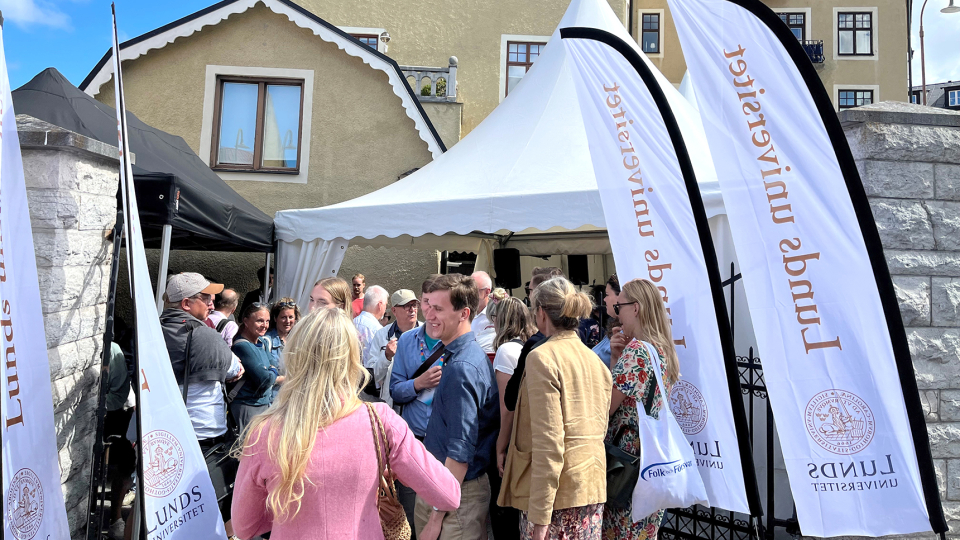
A tent for raising serious issues
The LU tent will soon be raised in Visby for two days of panel discussions. The University’s programme for Almedalen Week highlights the global challenges we are facing – such as air pollution and food poverty. However, the programme also inspires hope of finding solutions in external engagement between academia and society at large.
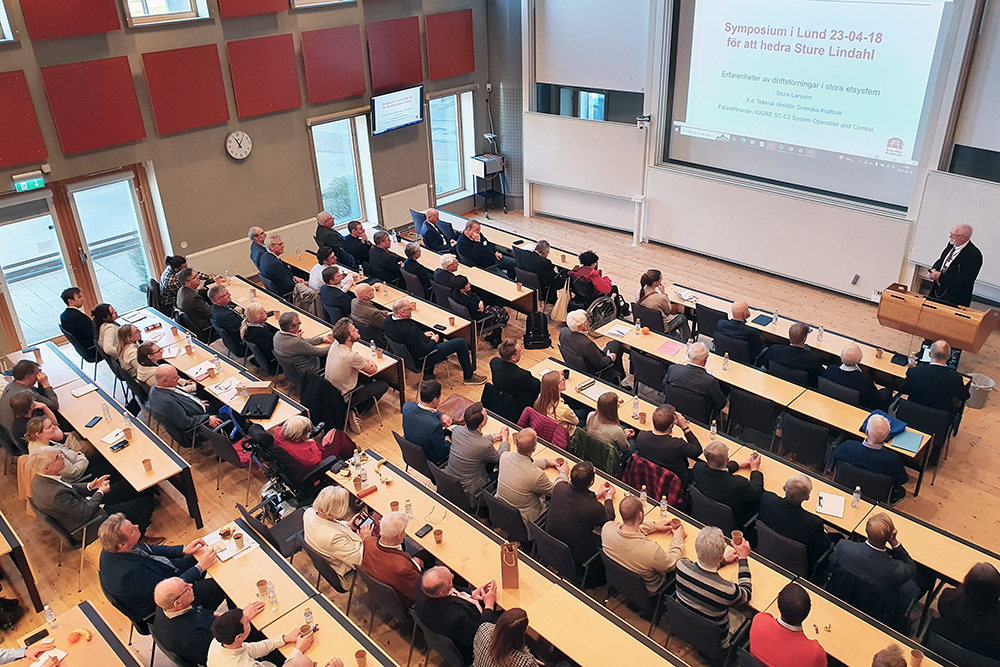
Celebrating electricity and the birthday of a legend of the Faculty of Engineering, LTH
A themed day about electricity was held to celebrate an 80-year-old LTH legend. Sture Lindahl has been a part of LTH since the 1970s and is about to celebrate a milestone birthday. Most recently, he was adjunct professor of industrial electrical engineering and automation, and over a hundred people met to reflect on his contributions, and to look [...]

New dedicated lab for tomorrow’s aviation fuel
The lab that will take us closer to the aviation fuel of the future has now opened. The Jet Engine Lab at the Faculty of Engineering (LTH) makes it possible to conduct full-scale studies on how engines are affected by new fuels – knowledge that will become increasingly important when fossil-based aviation fuels are phased out and replaced by more [...]
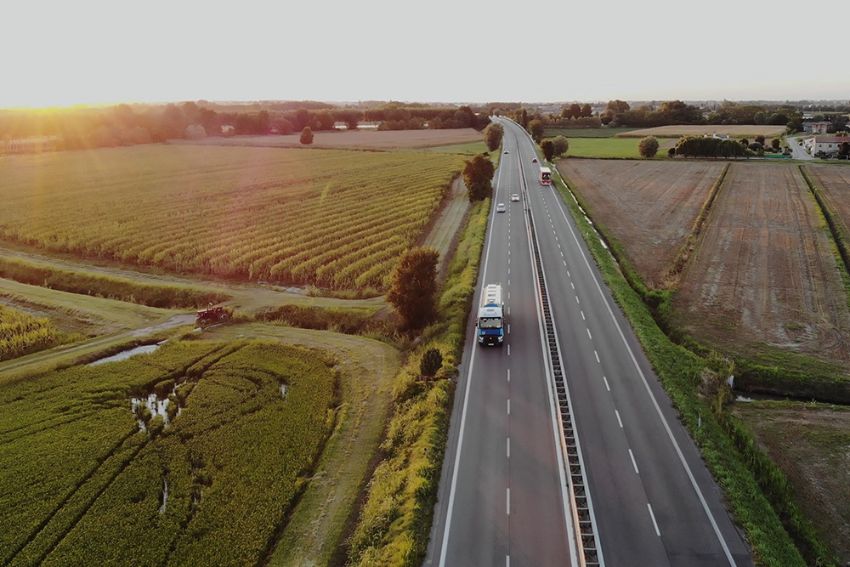
Electric roads – a path to the future?
Many cars on our roads are powered by electricity – and there will be more. The use of electric cars is an important element in the transition to a fossil fuel-free society, but this sets high requirements for battery technology and smart charging solutions. Electric roads could be a way forward according to Mats Alaküla, researcher at Lund [...]

LTH launches profile areas for stronger responses to societal challenges
Lund University’s Faculty of Engineering, LTH, is now launching profile areas for its collective excellence in research. The areas are interdisciplinary and will contribute to increased collaboration with business and industry as well as wider society. Seven themes form the profile areas: aerosols, circular construction industry, energy transition, [...]
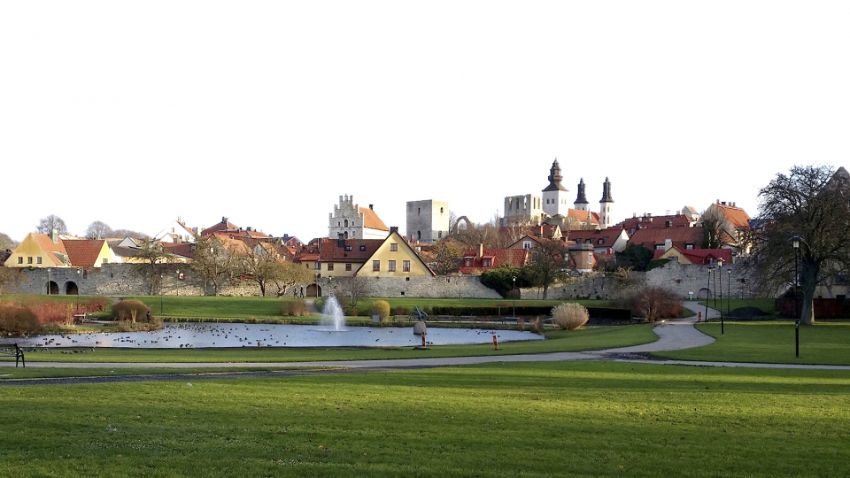
Almedalen – an opportunity for LU to meet decision makers
For the first time in two years, Lund University will be in Visby for Almedalen Week. In times of crisis and war, such democratic meeting places are more important than ever.
Major investment in new interdisciplinary centre for sustainable enterprising in Lund
Lund University School of Economics and Management (LUSEM), the Faculty of Engineering (LTH) and Sparbanken Skåne are founding a joint centre for sustainable enterprising at Lund University. Together, they are investing more than SEK 50 million in the centre, which will start welcoming new doctoral students across a variety of research [...]

Climate researcher: “We must reverse the trend immediately to achieve our zero emissions goal by 2050”
The new UN climate report shows that the zero emissions goal for 2050 is achievable. However, it will require major changes in all sectors – not least in industry, which currently accounts for a large proportion of global emissions. The researchers identified several sustainable paths forward, but some sectors – above all in plastics and chemicals [...]