
News
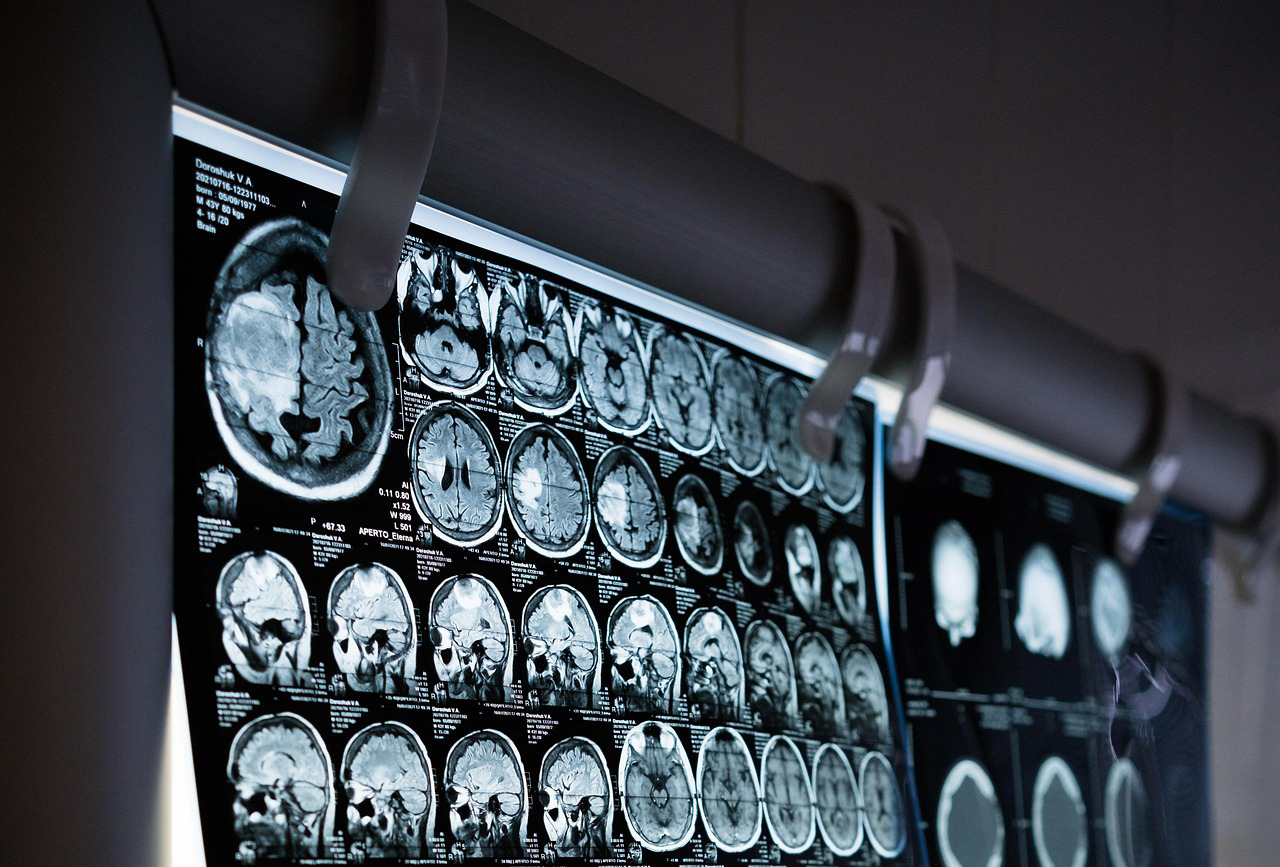
Doctoral thesis in biomedical engineering: AI analyses of magnetic resonance imaging examinations
Magnetic resonance cameras are used routinely for evaluating normal heart functions and to discover heart disease.
For the good of the code reviewer
Code review is somewhat of a hidden activity, but wherever software is written today, code review also takes place. One estimate suggests that as many hours are spent on code review worldwide as people spend watching television. Lo Gullstrand Heander’s research explores how code reviewers can best be supported in their work.
Doctoral thesis in Immunotechnology: Combating cancer in the bladder
A new type of cancer treatment is emerging that uses the body's own immune system to fight cancer. This works clinically and is currently used in various ways to treat different types of cancer.
Network grant for planning future excellence clusters
The Swedish Research Council has decided on the applications to be awarded network grant for planning future excellence clusters for groundbreaking technologies. Of the 40 networks approved, four are at The Faculty of Engineering, Lund University.
Fly ash at the Culture Night: Waste in a new light
Waste and ash were the themes of aerosol researcher Jenny Rissler's seminar during the Culture Night 2025. The ashes left over after waste incineration contain more than just rubbish. Zinc, a metal that is predicted to be in short supply in the future, can be recovered – but how easy this is depends on the design of the incineration plant and the [...]
Best paper awards – and a longstanding contribution
Researchers in the strategic research area of AI and digitalization have received several awards recently. One of them is best paper award of the esteemed IEEE Antennas and Propagation Society, another is that The IEEE Information Theory Society has recognized the contribution of Professor John B. Anderson to the information theory community.
Carmelo D’Agostino receive ERC Proof of Concept grant
Carmelo D’Agostino, a researcher in traffic safety and behaviour, and stem cell researcher Paul Bourgine receive ERC Proof of Concept grants for their research into developing a new method for traffic safety assessments and finding new accurate models for testing immunotherapies in cancer treatment.
First there was maritime communication
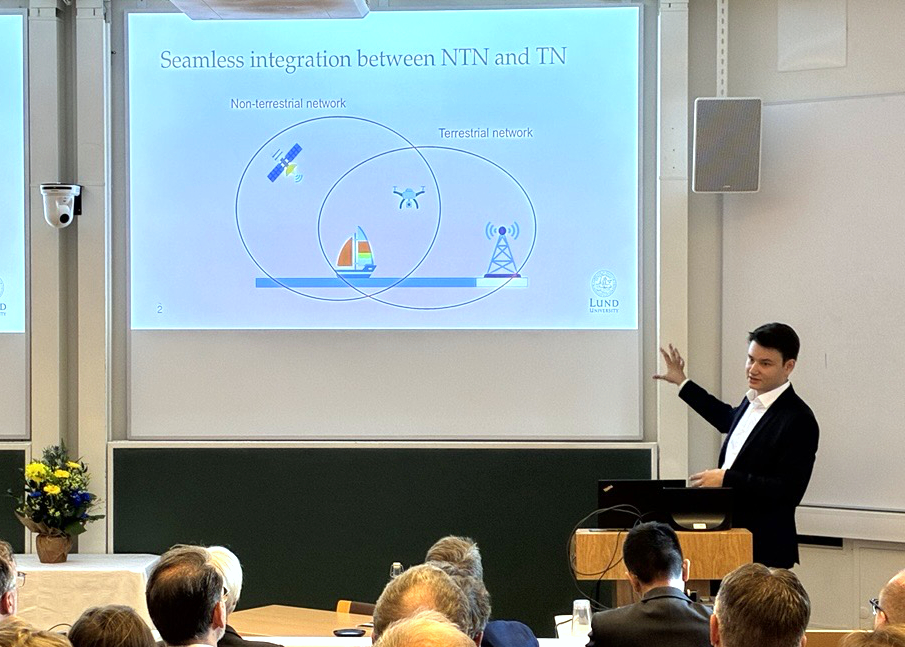
The very first form of wireless communication was maritime; to be able to communicate with vessels far out on the oceans, radio transmissions have been used from late 1890’s. Today, there is a need for reliable connectivity at sea for positioning, and the future applications of remote pilotage, search and rescue, and autonomous shipping.
The AI Welfare State – Awarded grant for research cluster
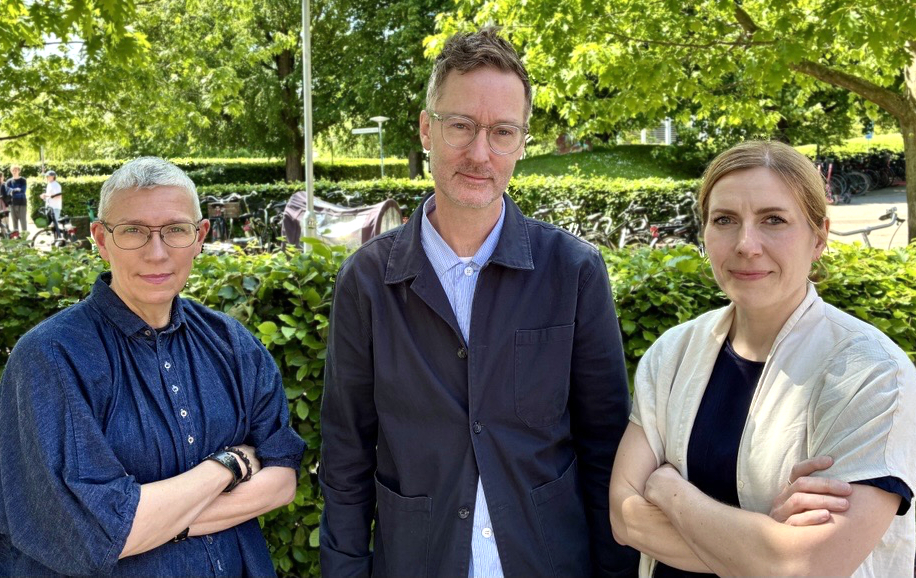
The Wallenberg AI, Autonomous Systems and Software Programme – Humanity and Society (WASP-HS) has awarded funding for research into the societal impact of AI to five research clusters. One of these clusters is partly led by Stefan Larsson at LTH and will focus on the welfare state and vulnerabilities in how it is being transformed through the [...]
Amplify the good – A new concept for stable wireless network
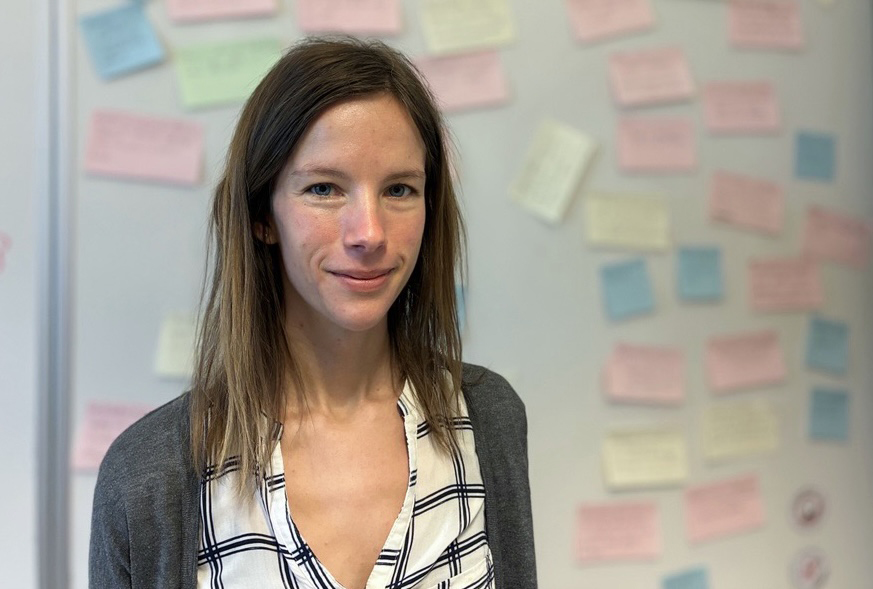
For each new generation of network, there is a certain technology shift. How can existing wireless network technology be improved, and in what way can it meet the requirements that will be set on the future 6G network? Researchers at The Faculty of Engineering at Lund University suggest a new way of both enhancing and distributing wireless networks [...]
CBSC 2025 – Circular Building Sector Conference, 1–3 June
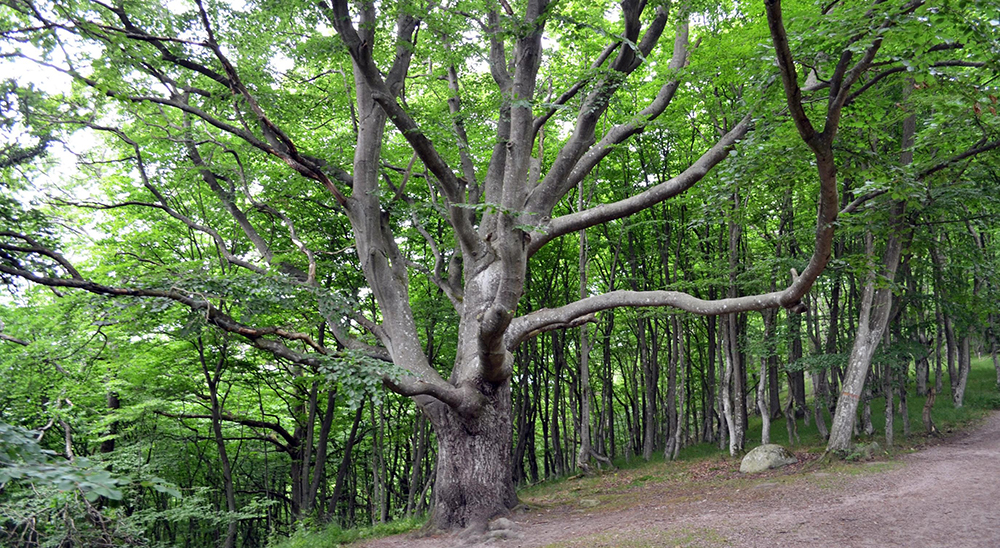
The first Circular Construction Industry Conference will be held in Lund on June 1–3. Academics and practitioners from the field of built environment, and who have an interest in circular economy are welcome. You can still register, but please do so by May 21.
From workplace to atmosphere – air at the centre of Aerosols’ annual meeting
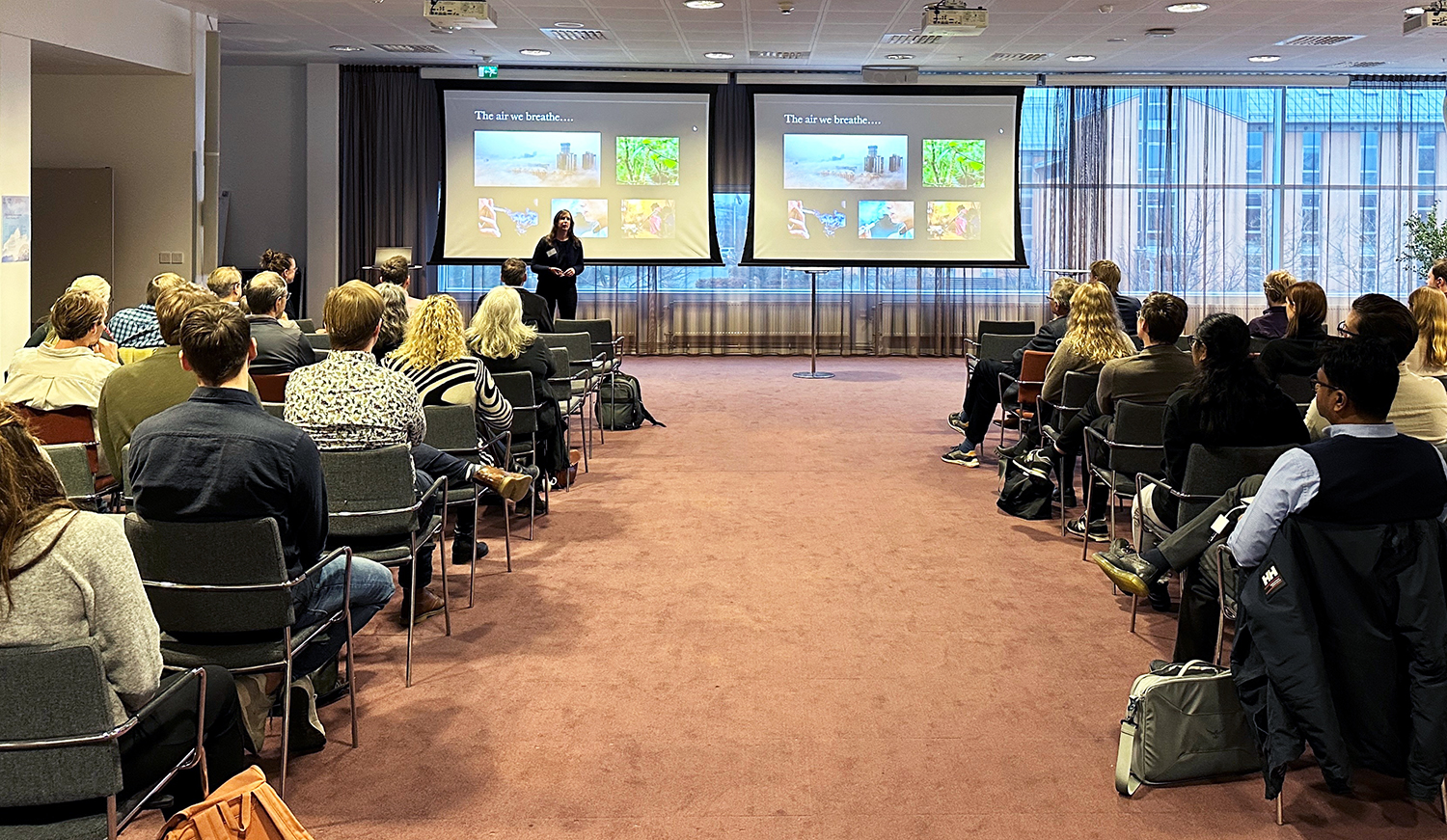
Air was on the agenda during Aerosol’s full day with the profile area. Air pollution, air environment in the workplace and atmospheric aerosols were some of the topics covered. The annual meeting – the third since the profile area started its work – attracted around seventy participants.
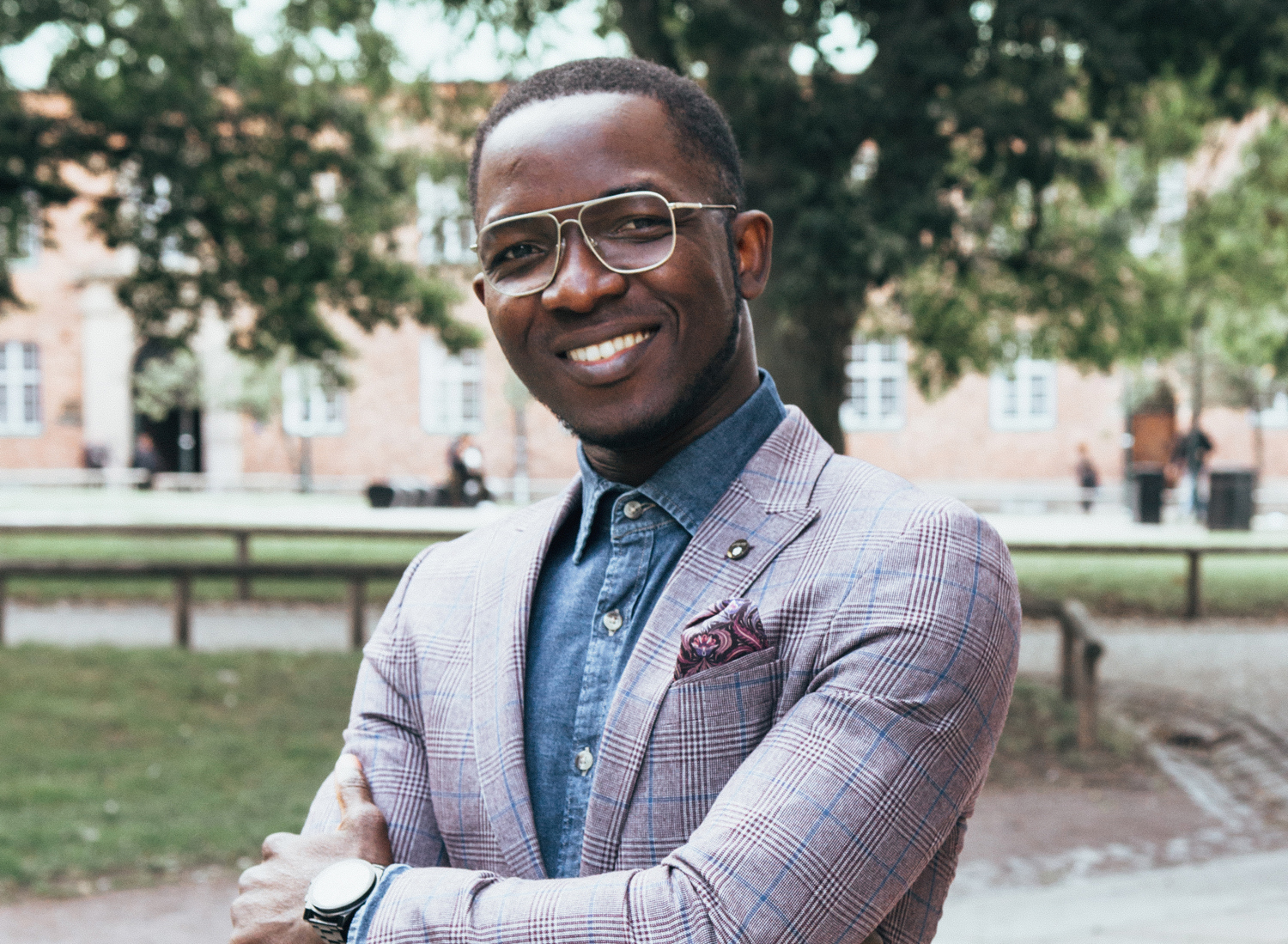
Hello Babs Kunle – tell us about your work within LTH Water
In this interview, we talk to Babs Kunle, who works with communications and project coordination in the Water profile area.
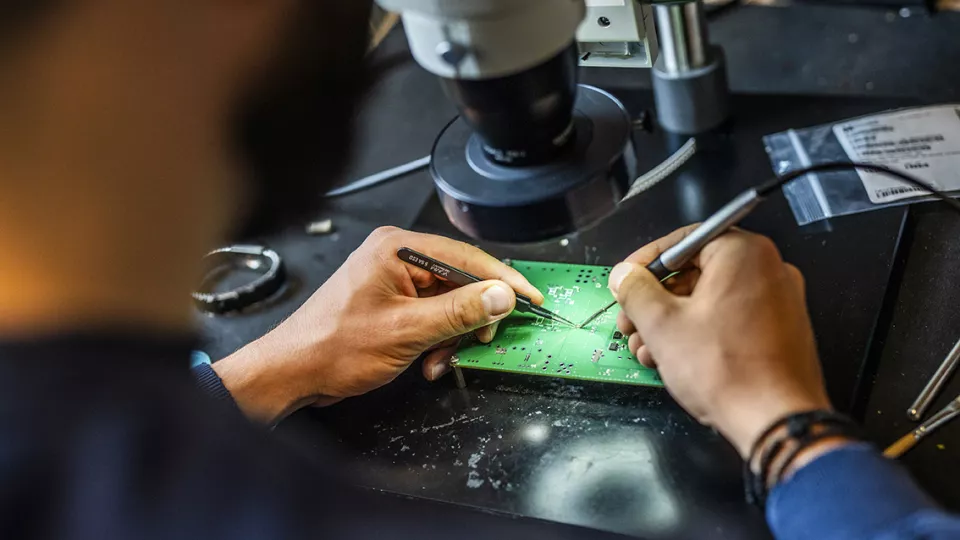
Semiconductor ecosystem to be strengthened
The Swedish Agency for Economic and Regional Growth – Tillväxtverket – allocates SEK 12 million from the European Regional Development Fund to Lund Nano Lab (Myfab Lund). Over the next four years, the money will strengthen cooperation between academia and industry in the field of semiconductors, and lower the threshold to the lab for companies.
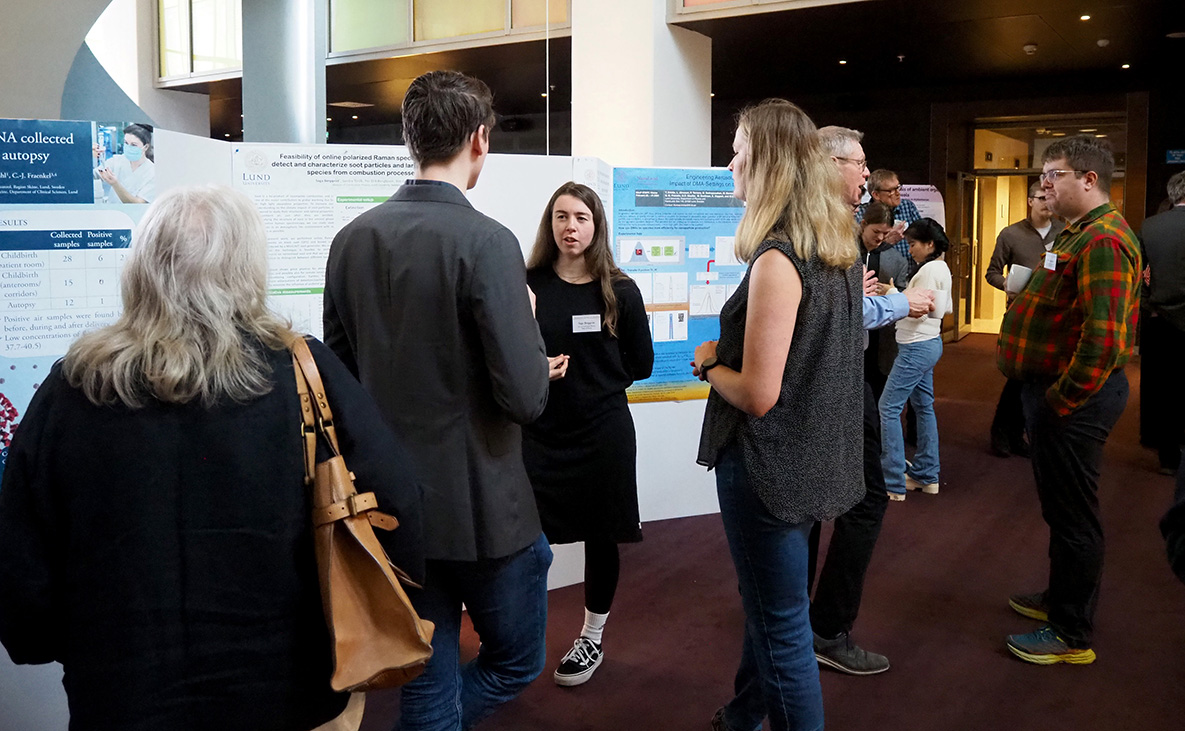
Increased collaboration in focus at the Aerosols yearly meeting
What are the health gains of removing vehicle exhaust from busy city streets, and how can low-cost sensors help to measure the air pollution? These were some of the topics presented at the yearly meeting for the LTH Profile Area Aerosols.