News

Students make fermented protein drink from ancient peas
There are plenty of protein drinks on the shelves of supermarkets these days. However, a vegan, fermented version made from locally grown field peas is definitely unique. That’s exactly what a group of food technology students came up with for an assignment.
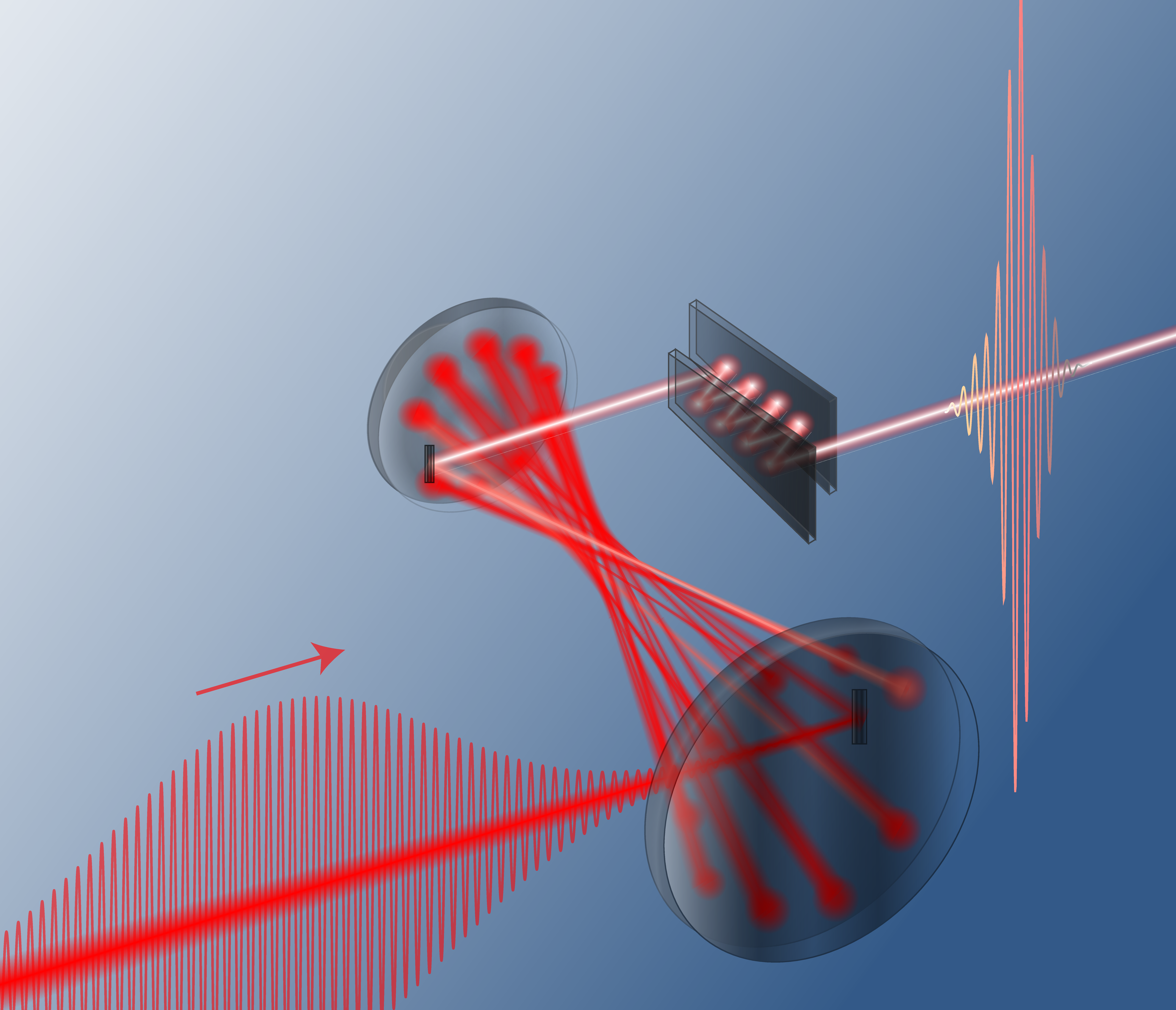
Scientists make conventional industrial lasers a hundred times sharper
In research, medicine and industry, different types of lasers have become an increasingly important tool. Particularly in high demand are lasers with very high precision, which is achieved with short pulses. But the shorter the pulses, the more expensive the laser, with the result that these "super lasers" are not so common. Now an international [...]
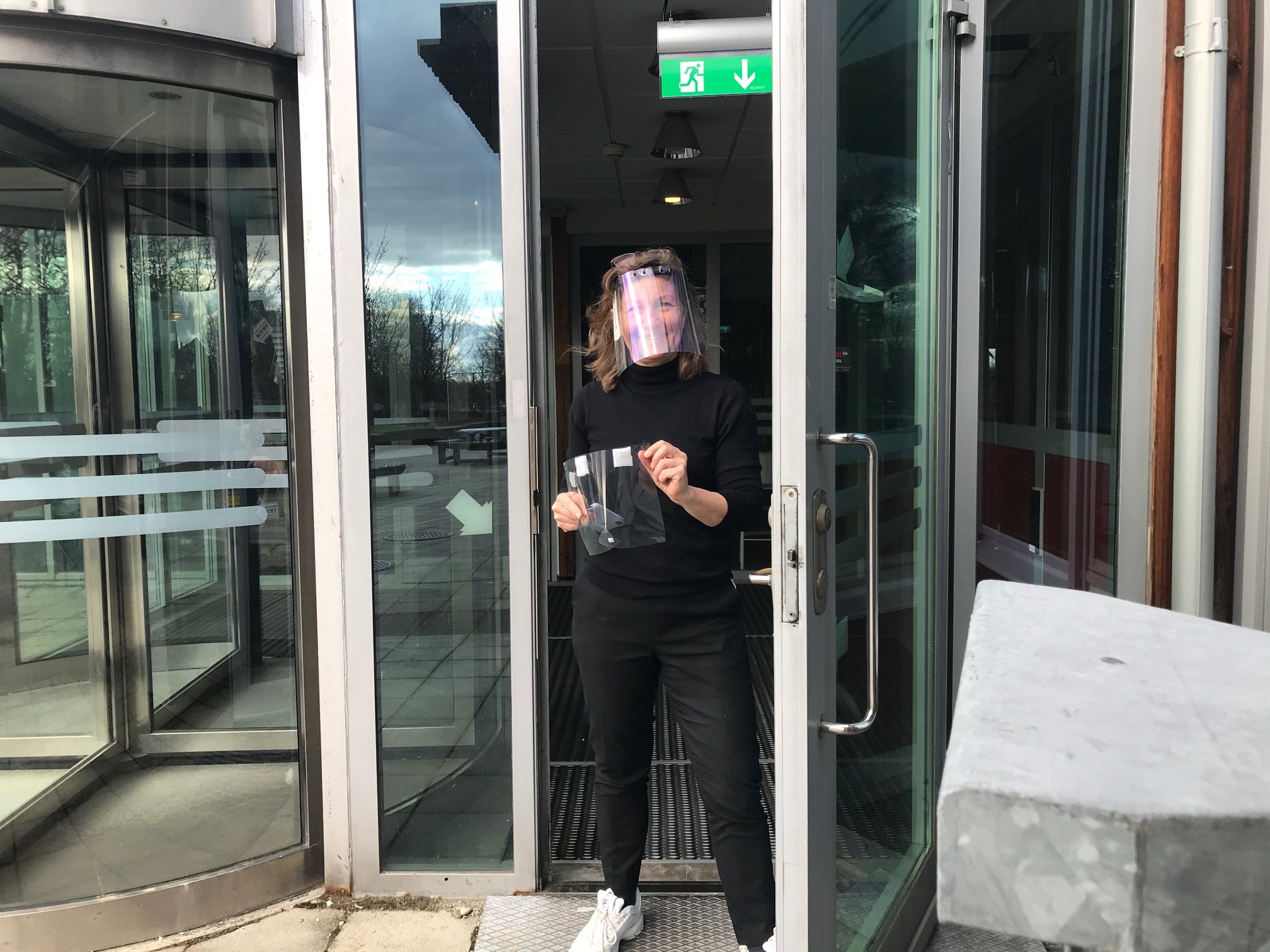
"We want to supply medical care services with more types of equipment"
There are supply shortages in medical care. “LTH wants to help. X-Lab is trying to find production managers for protective clothing, not least long-armed aprons in single-use plastic”, says Charlotta Johnsson, Assistant Dean for Collaboration and Innovation at LTH.
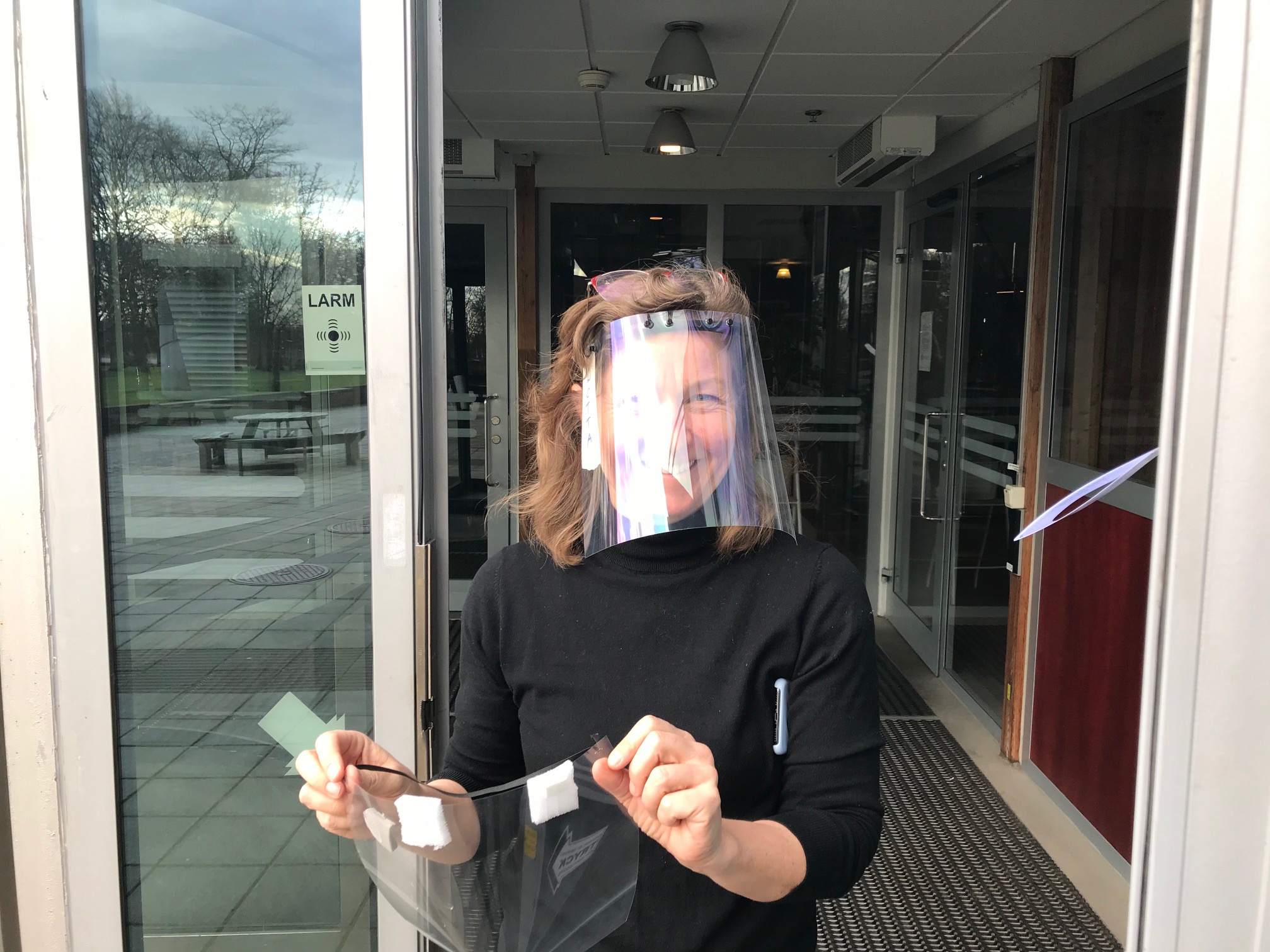
Maths tutoring, visors and disinfection – LTH wants to help
Everyone in society is to take responsibility, and we need to help each other where possible. In the current extraordinary situation, voluntary initiatives and ideas have taken off at the Faculty of Engineering, LTH.
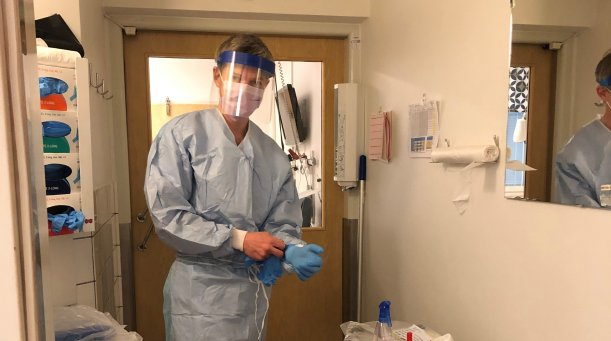
Air samples from coronavirus patient rooms being analysed
There are many questions concerning the coronavirus and infection prevention that need to be answered as soon as possible. One of the key questions is: Is the coronavirus floating around in the air we breathe? In a few weeks, air samples from coronavirus patient rooms will hopefully have been analysed and possibly provide some clues.
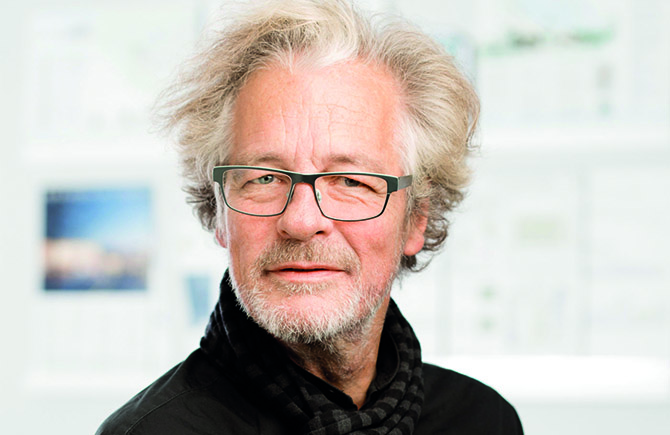
Professor Christer Malmström wins the Kasper Salin Award!
At the Architectural Gala in Stockholm on March 10, the prestigious Kasper Salin Award was awarded to the renowned climate-smart residential building Brf Viva in Gothenburg.
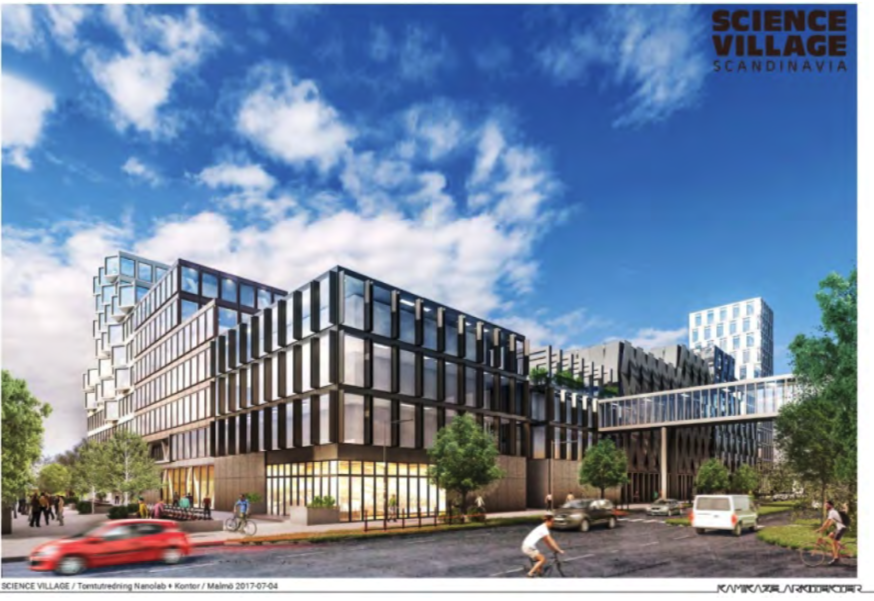
Important step towards new NanoLab at Science Village
The process of establishing a new NanoLab in the immediate vicinity of MAX IV and ESS is moving further as decided by the Board of LTH. The lab – NanoLab Science Village – will be the first step to establishing Lund University’s research operations in Science Village.
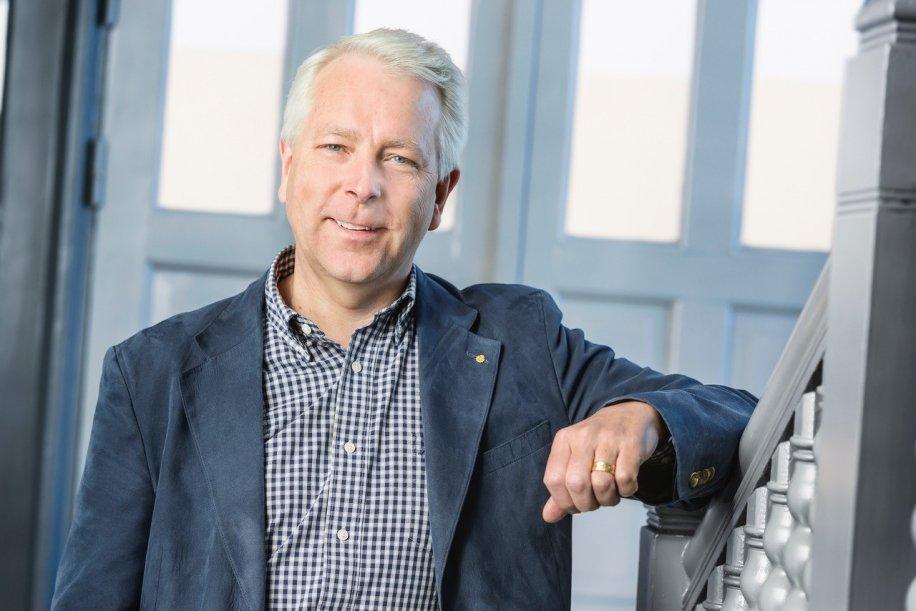
Early detection of diseases
Early detection of diseases is aided by the body’s own nanoparticles. A hot topic among cancer researchers is vesicles, nanoparticles that flow in our veins in their billions and which have proven to hold information on the health status of the body. Now the hope is to be able to capture and decode the messages in the vesicles via a standard blood [...]
WASP programme grows with an additional SEK 1.3 billion
The Wallenberg AI, Autonomous Systems and Software Program (WASP), Sweden’s largest individual research programme, has been extended by three years and will receive a further research grant of nearly SEK 1.3 billion.
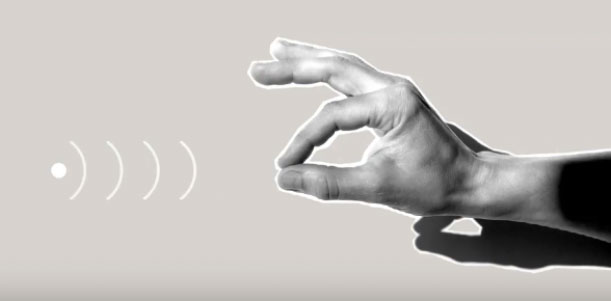
Unique technology will make gesture control more accurate
Controlling smartphones by a simple swipe of your hand is the latest innovation to be introduced to phone owners. However, radar sensors with higher accuracy would take the concept from gimmick to practical usefulness, according to researchers at Lund University in Sweden. They have developed a method that could detect much finer gestures – while [...]
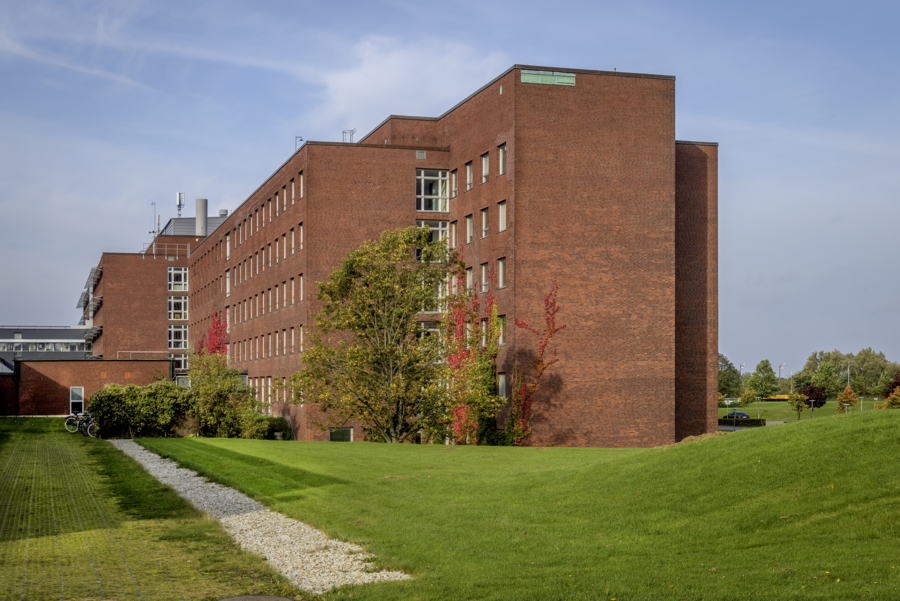
Dean of LTH Viktor Öwall: "The initiative was discussed at length and we welcome an assessment"
Lund University has been reported to the Equality Ombudsman regarding a gender equality initiative at the Faculty of Engineering, LTH.
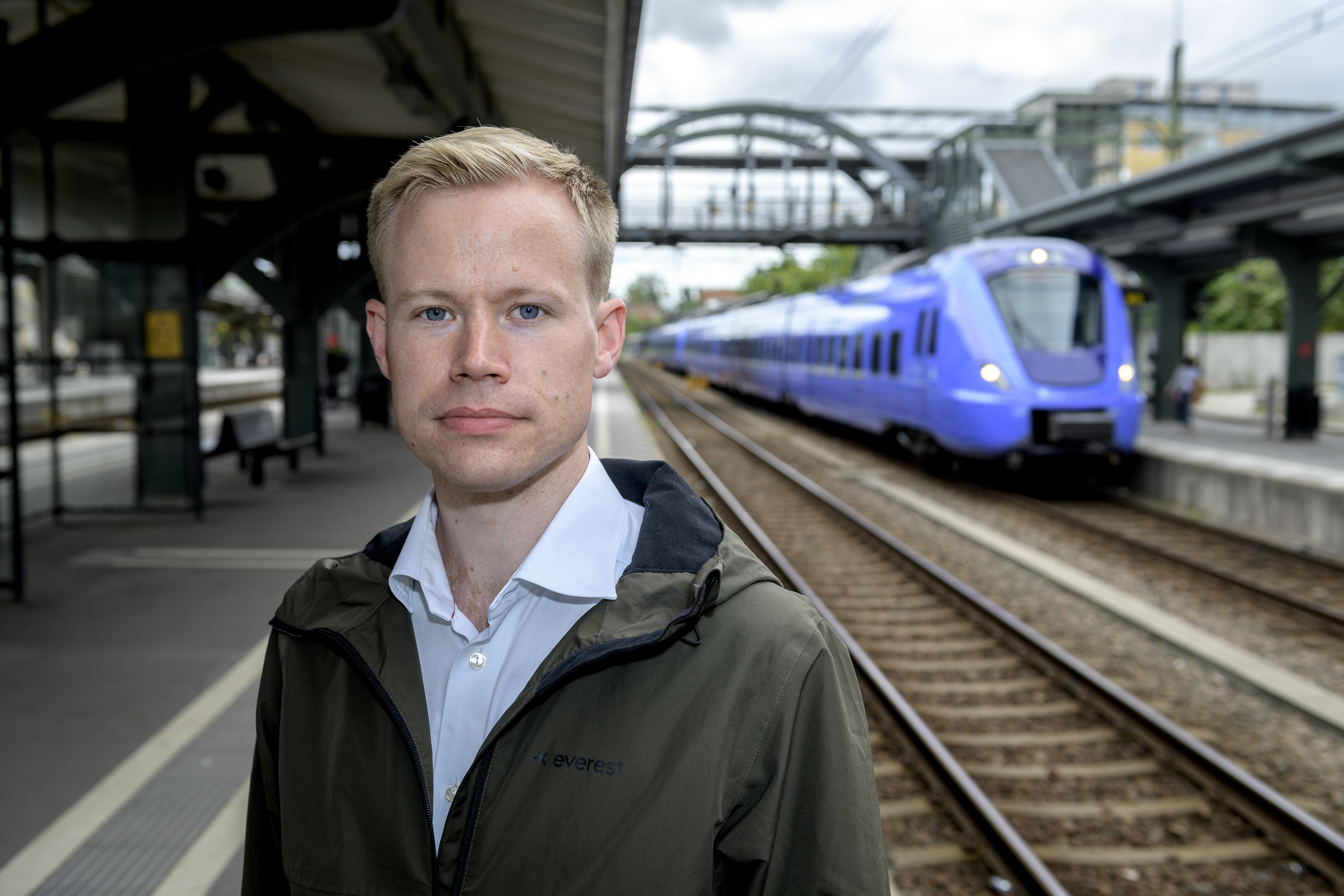
Measures to increase train punctuality
Through improved timetable planning, clearer instructions to passengers at the stations, and a railway that can handle our Swedish climate, the number of departures that arrive on time can increase significantly, according to Carl-William Palmqvist’s research on delays in Swedish rail traffic.
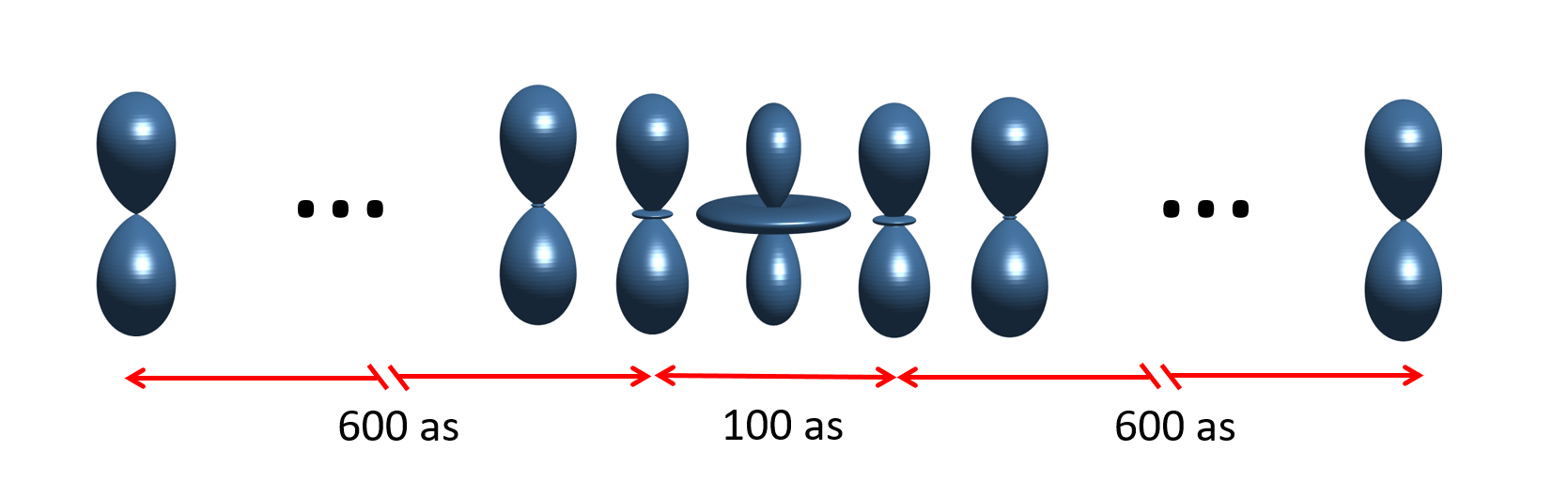
Intriguing discovery provides new insights into photoelectric effect
The discovery that free electrons can move asymmetrically provides a deeper understanding of one of the basic processes in physics: the photoelectric effect. It was first described by Albert Einstein and explains how high frequency light releases electrons from a material. The results have been published in Physical Review Letters.

Lund University in world top 100 in Times Higher Education ranking
Lund University has climbed from #98 to #96 in the Times Higher Education (THE) World University Rankings 2020, once again securing a place among the top 100 universities in the world.
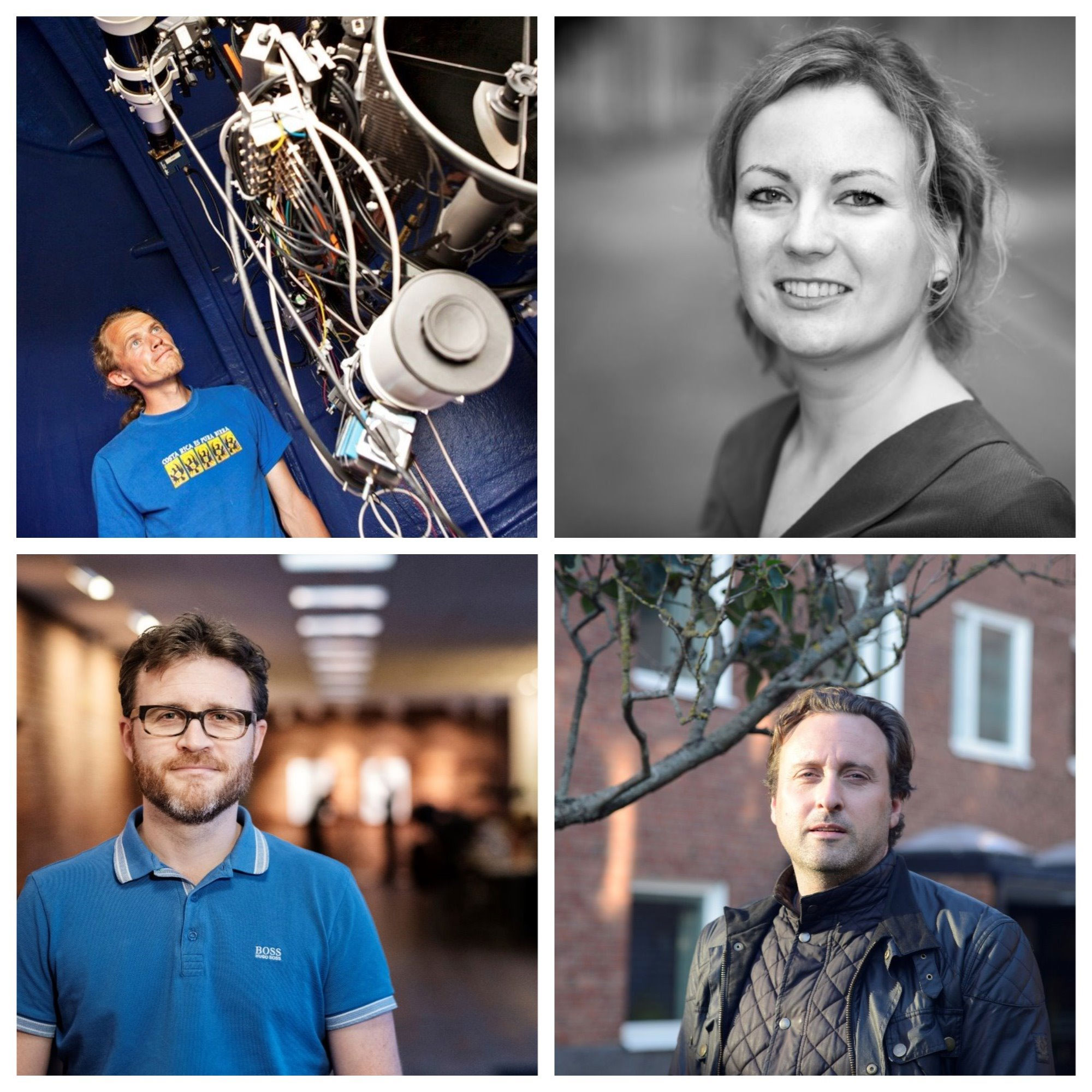
Four Lund University researchers awarded ERC starting grants
Ultrasound that detects rare cells in a drop of blood. Business models for a circular economy. Laser technology that can film at almost the speed of light, and another that can map insects from several kilometres away. Four promising researchers from Lund University have been awarded starting grants from the European Research Council (ERC) [...]