News
Model used to evaluate lockdowns was flawed
In a recent study, researchers from Imperial College London developed a model to assess the effect of different measures used to curb the spread of the coronavirus. However, the model had fundamental shortcomings and cannot be used to draw the published conclusions, claim Swedish researchers from Lund University, and other institutions, in the [...]
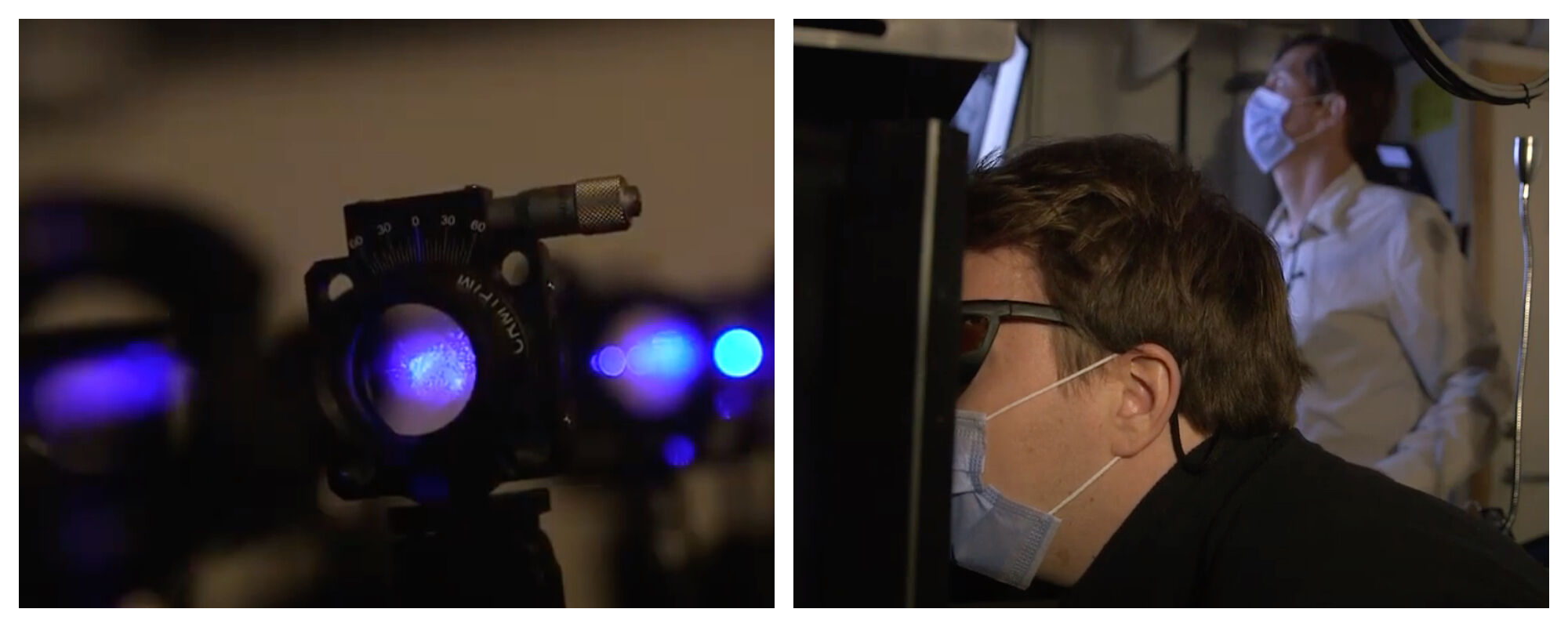
85 per cent of cough droplets blocked by surgical mask, experiment shows
Researchers at LTH have recorded coughs resolved at high temporal resolution - 8,000 images per second - and high detection sensitivity, using laser light scattering. This enabled them to count the number of droplets as well as measure their speed with high accuracy. The preliminary results show that only 15% of droplets pass through a low-cost [...]
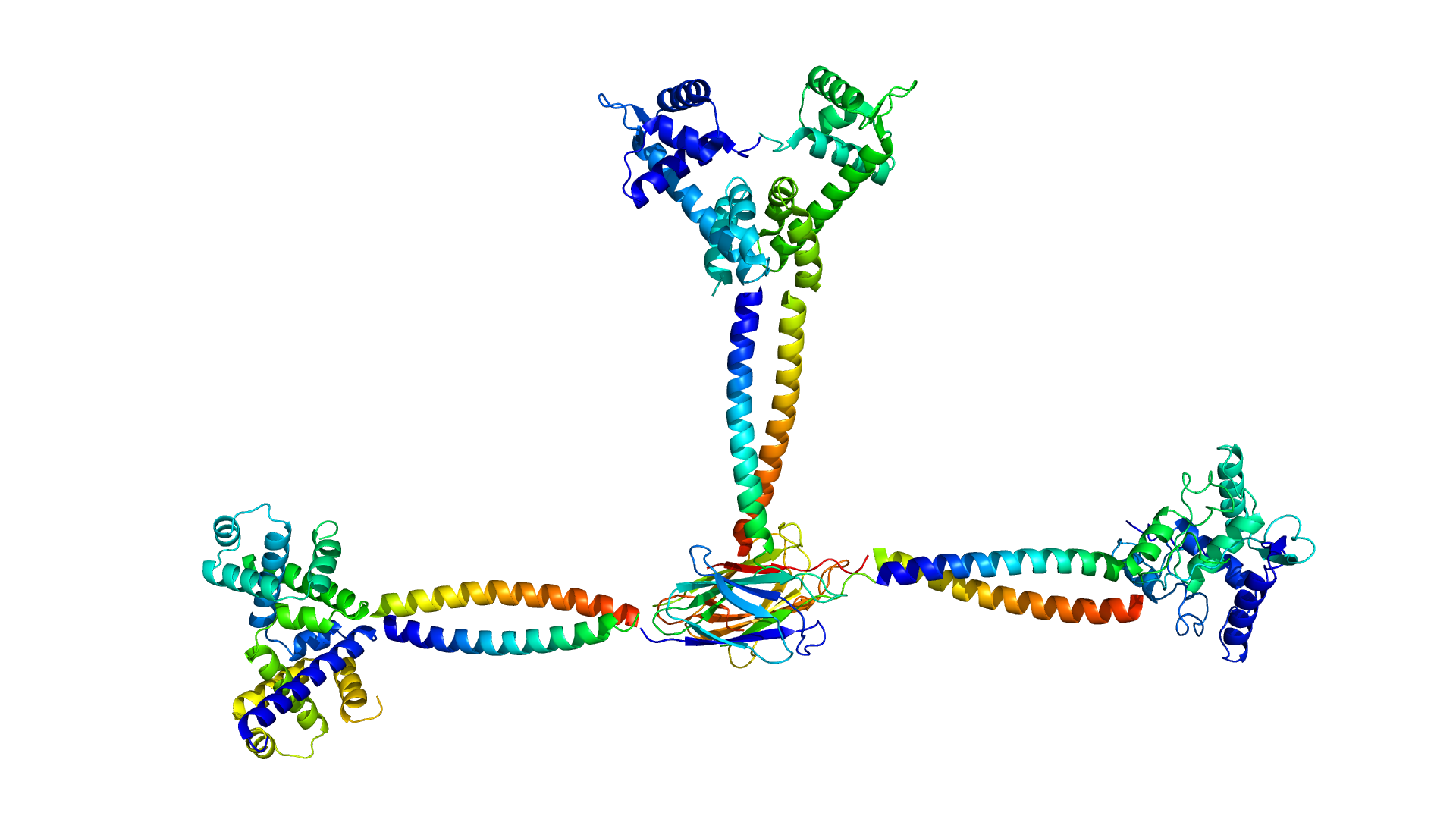
ERC grant awarded to research project on protein motors
A new project that aims to build motors made of proteins has received a EUR 10 million ERC Synergy Grant, and will be coordinated by Lund University in Sweden.

An important societal stakeholder – to attract the best in the world
Annika Olsson and Heiner Linke will be LTH’s new Dean and Deputy Dean respectively. Now that the election has been held and the decision taken, they discuss the issues they want to work on in the new year. Creating strong research and education environments, building strategic relations with business and industry and developing LTH’s campus are [...]
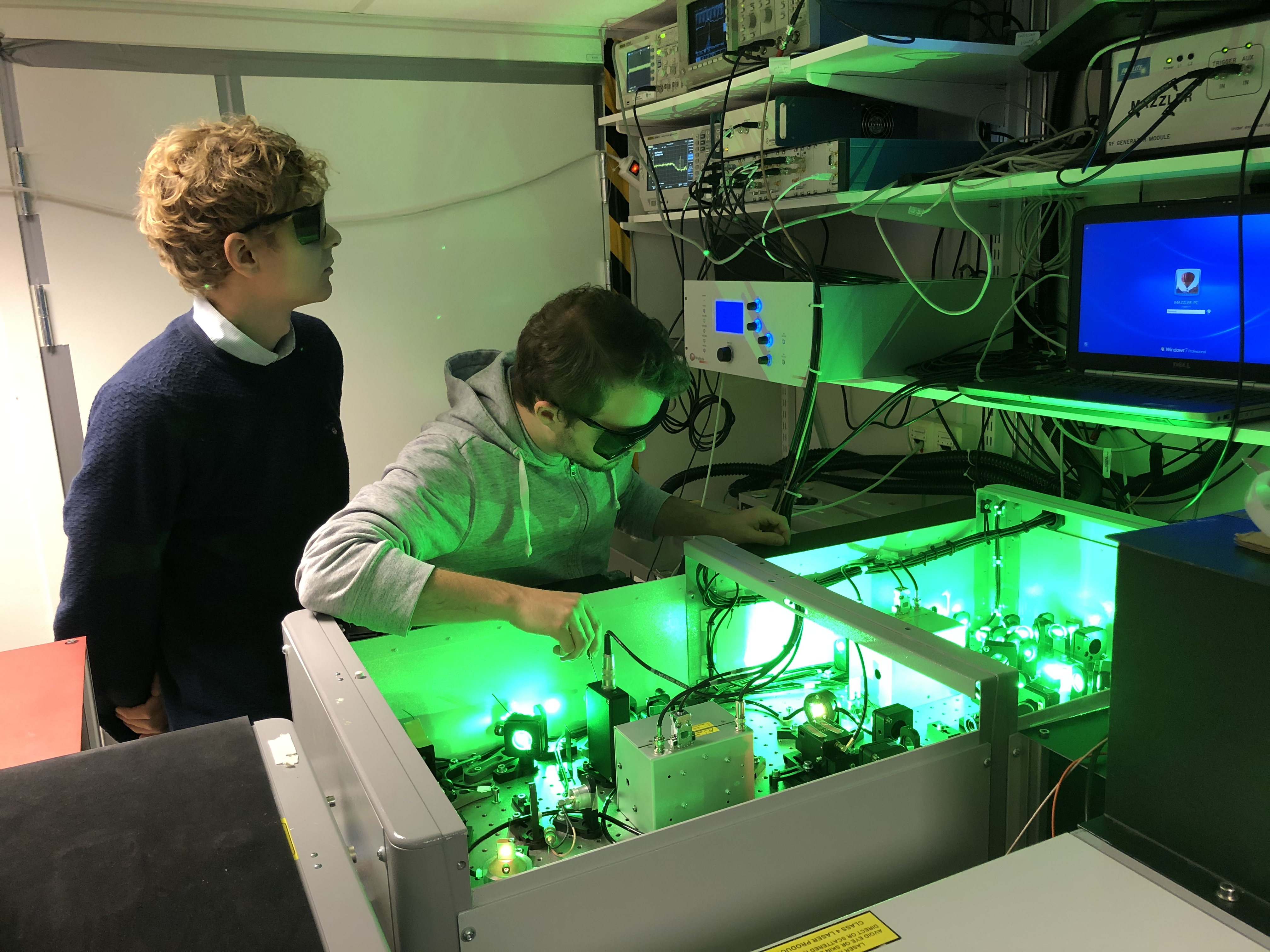
Electron–spin dynamics studied on its natural time-scale
Researchers have used extremely short light pulses of attosecond duration (an attosecond is a billionth of a billionth of a second) and coincidence techniques to follow - in real time - how the electron spin (i.e. the angular momentum of the electron around its own axis) influences the absorption of a photon in a many-electron quantum system, the [...]
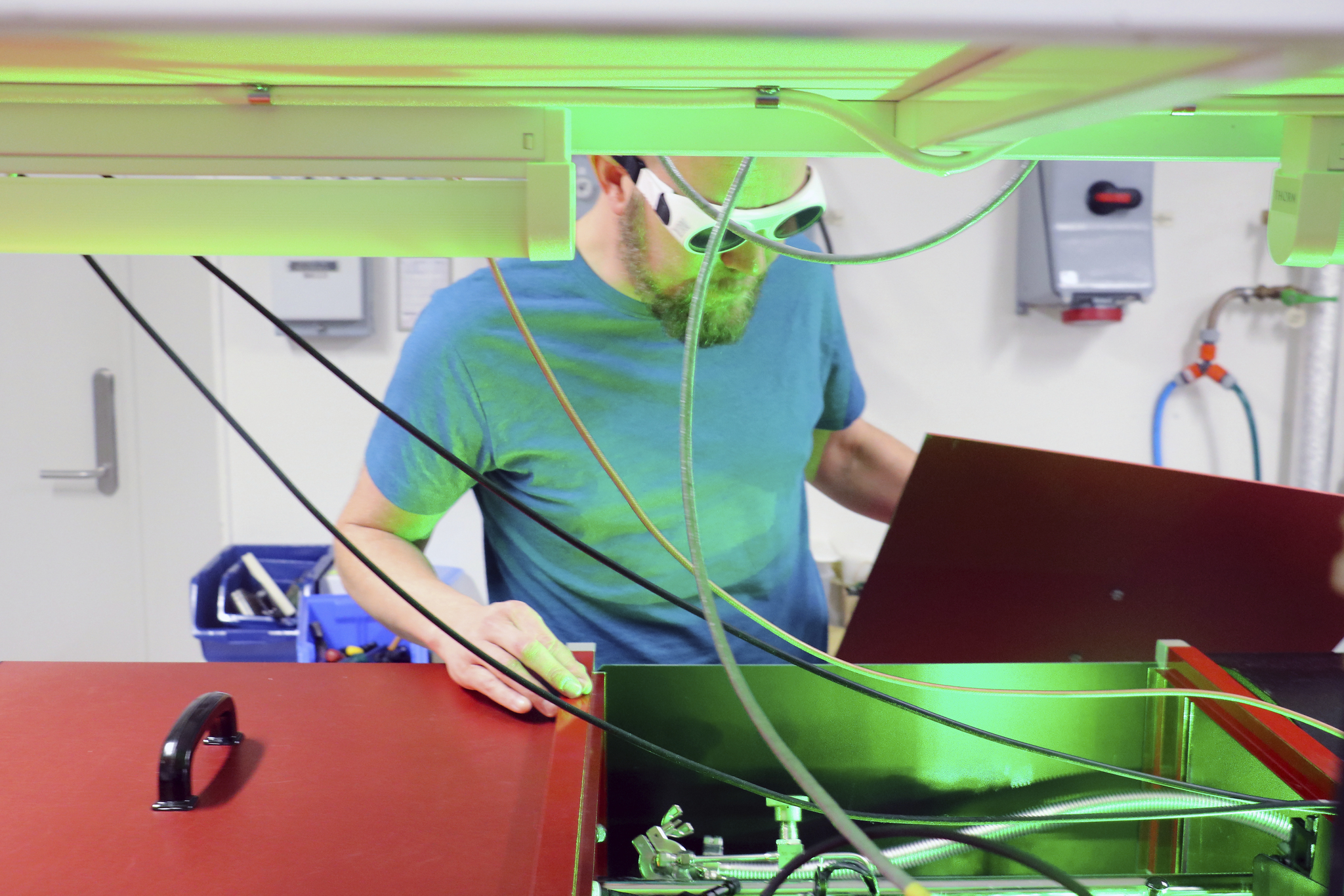
Unique research project on electrons awarded grant
A research project on how to observe and control the movement of electrons will soon commence at LTH thanks to a multi-million donation from the Knut and Alice Wallenberg Foundation.
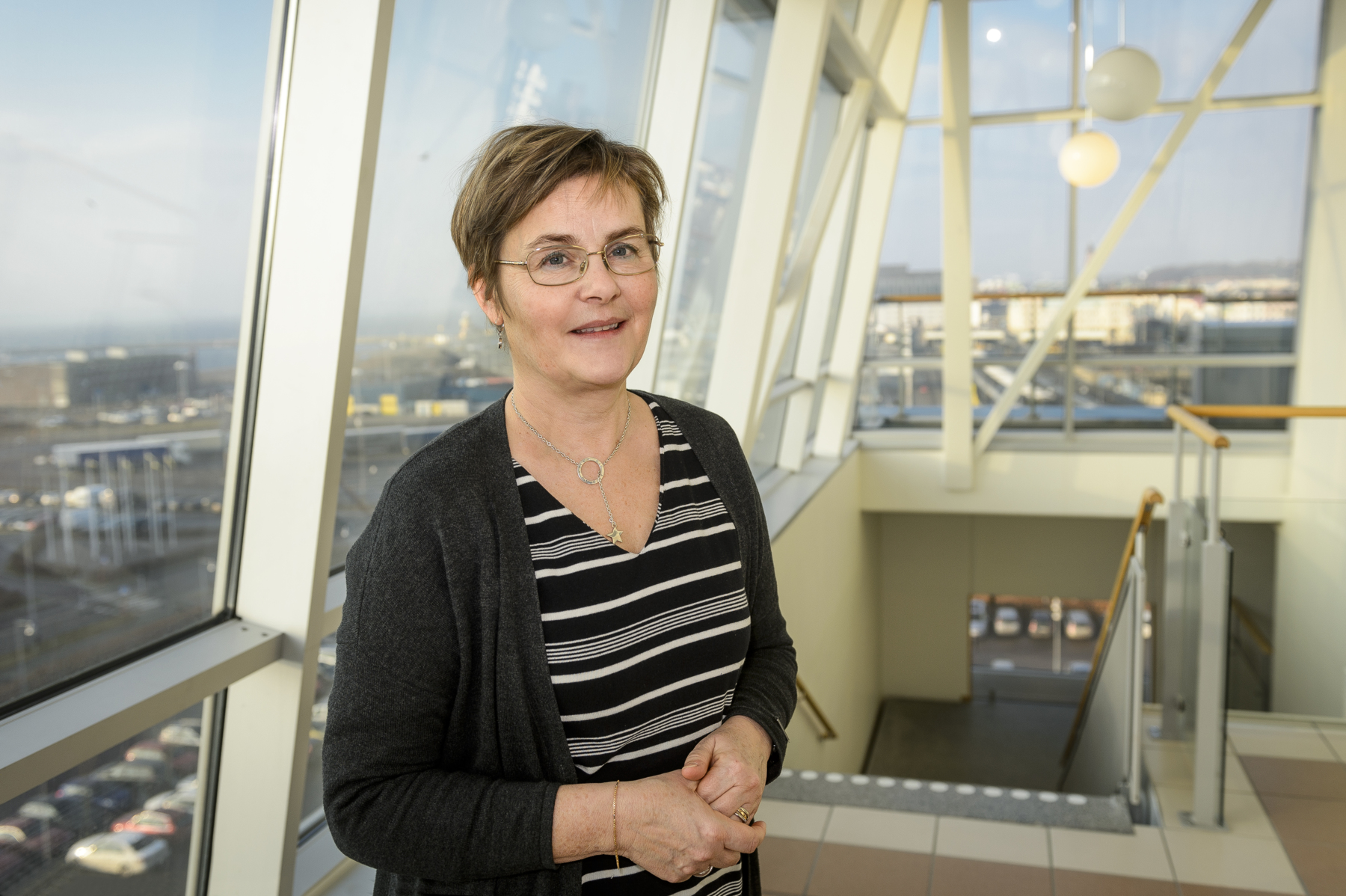
Annika Olsson appointed as new Dean at the Faculty of Engineering, LTH
Lund University’s Vice-Chancellor has today decided that Annika Olsson will be the new Dean at the Faculty of Engineering, LTH as of 1 January 2021. Heiner Linke will be the new Deputy Dean.
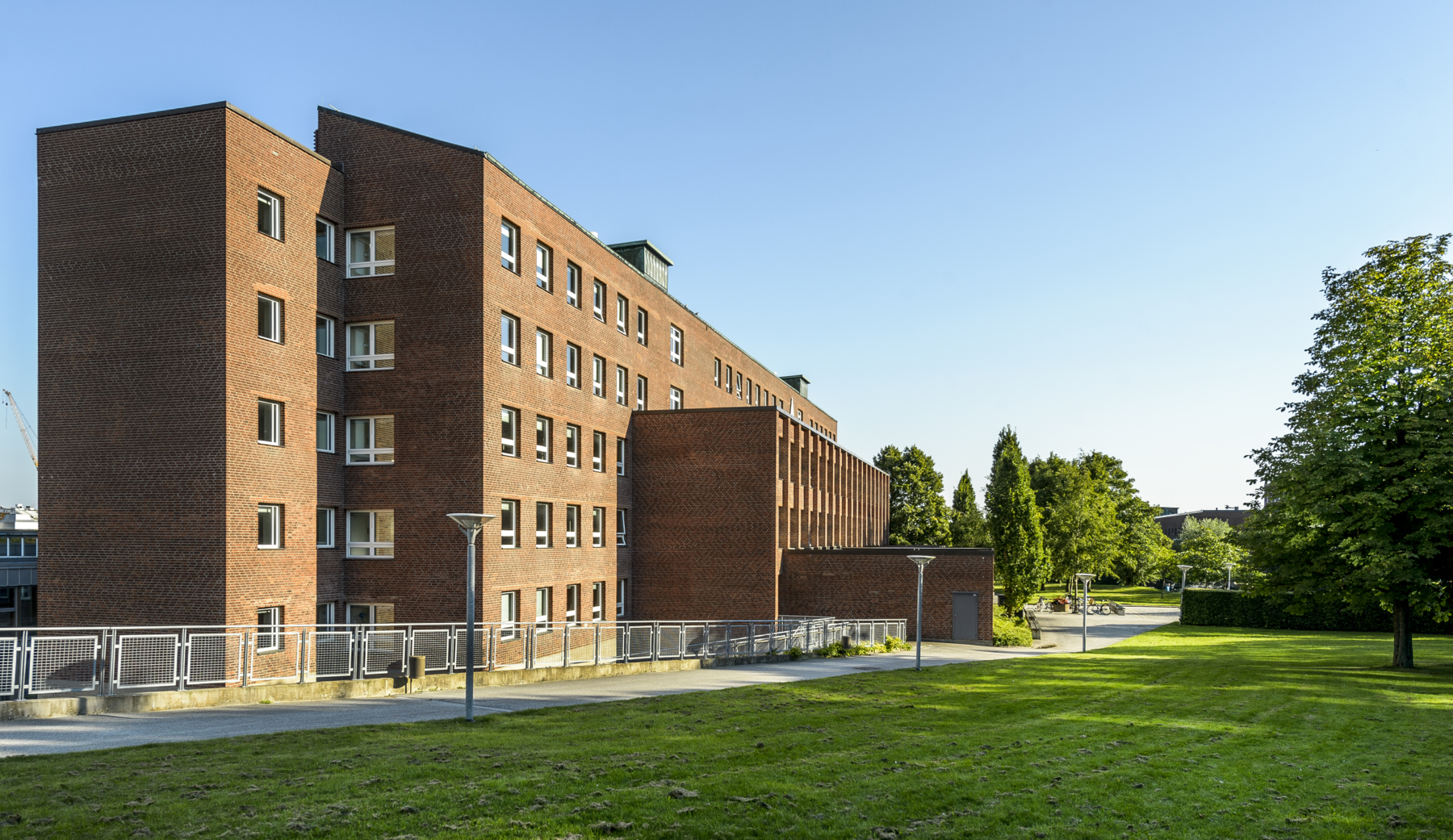
Dean's blog: "Striking a blow for physical meetings!"
If the landlord Akademiska Hus does not push for the development of the physical environments, higher education institutions will be ruined, either because of the decline in student numbers or financial collapse due to unreasonably high rents, writes Viktor Öwall, Dean of LTH.
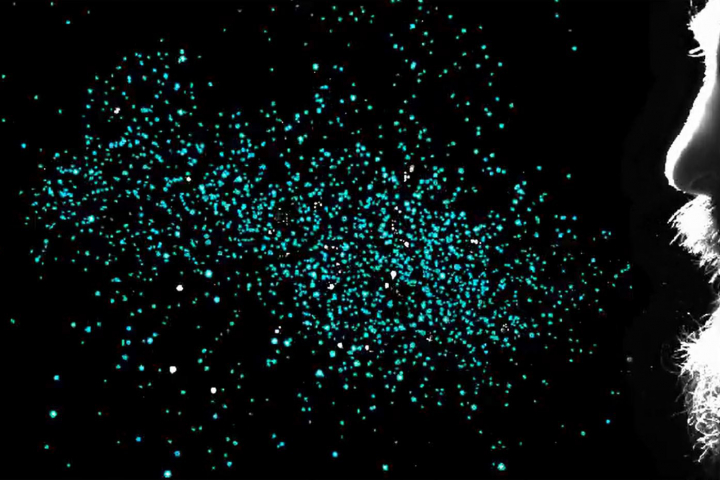
Could singing spread Covid-19?
If silence is golden, speech is silver – and singing the worst. Singing doesn’t need to be silenced, however, but at the moment the wisest thing is to sing with social distancing in place. The advice comes from aerosol researchers at Lund University in Sweden. They have studied the amount of particles we actually emit when we sing – and by [...]
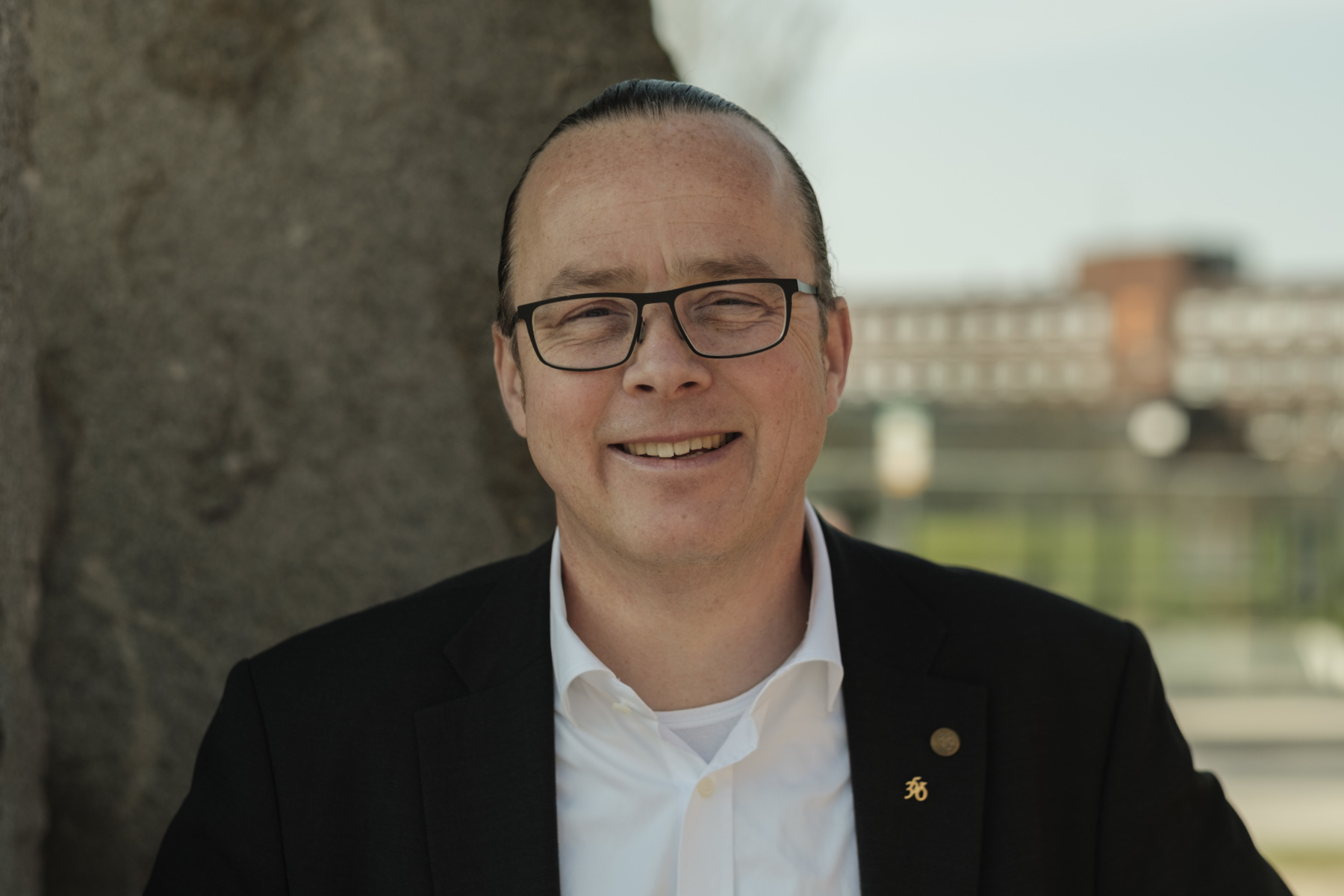
Dean's blog: "You made the right choice!"
Viktor Öwall, dean of LTH, gives a warm welcome to Lund and LTH in his first blog post for this semester. He writes that he personally is glad to see life on the LTH campus again after a meager and depressing spring semester due to the coronavirus. "I hope you, dear students, will have a wonderful autumn with many new friends and new experiences!", [...]

Breakthrough method for predicting solar storms
Extensive power outages and satellite blackouts that affect air travel and the internet are some of the potential consequences of massive solar storms. These storms are believed to be caused by the release of enormous amounts of stored magnetic energy due to changes in the magnetic field of the sun’s outer atmosphere - something that until now has [...]
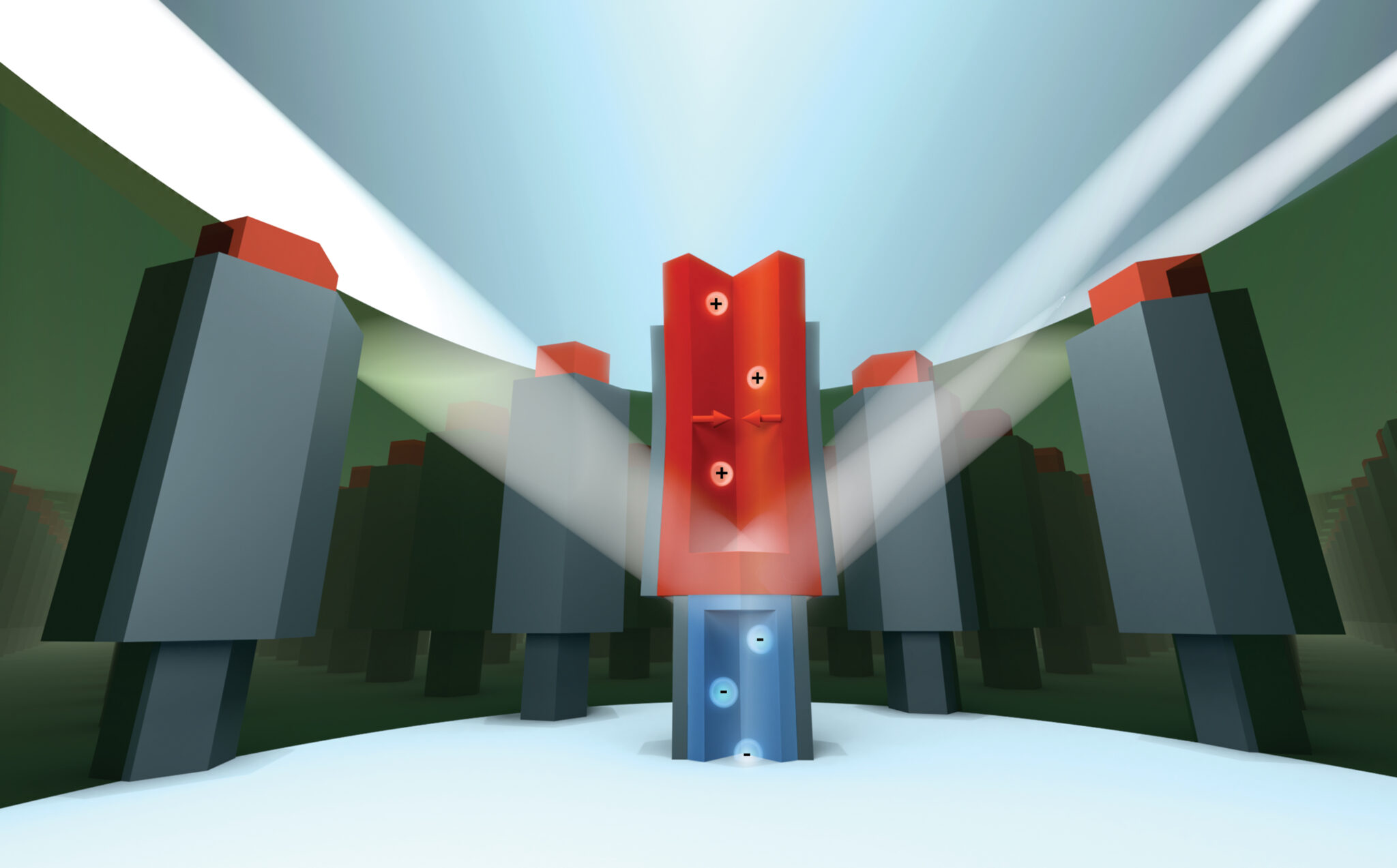
MAX IV X-ray beams help seeing inside future nanoscale electronics
The technological advancement of fourth-generation synchrotrons, pioneered by MAX IV Laboratory, opens research opportunities that were impossible just a few years ago. In a newly published research paper, we get proof of the revolutionary impact that MAX IV’s photons can have for the advancement of nanoelectronics, both in research and for [...]
Novel biomarker technology for cancer diagnostics
A new way of identifying cancer biomarkers has been developed by researchers at Lund University in Sweden. The new technology allows very sensitive, quick and cost-effective identification of cancer biomarkers. The research is published in Nature Communications Biology.
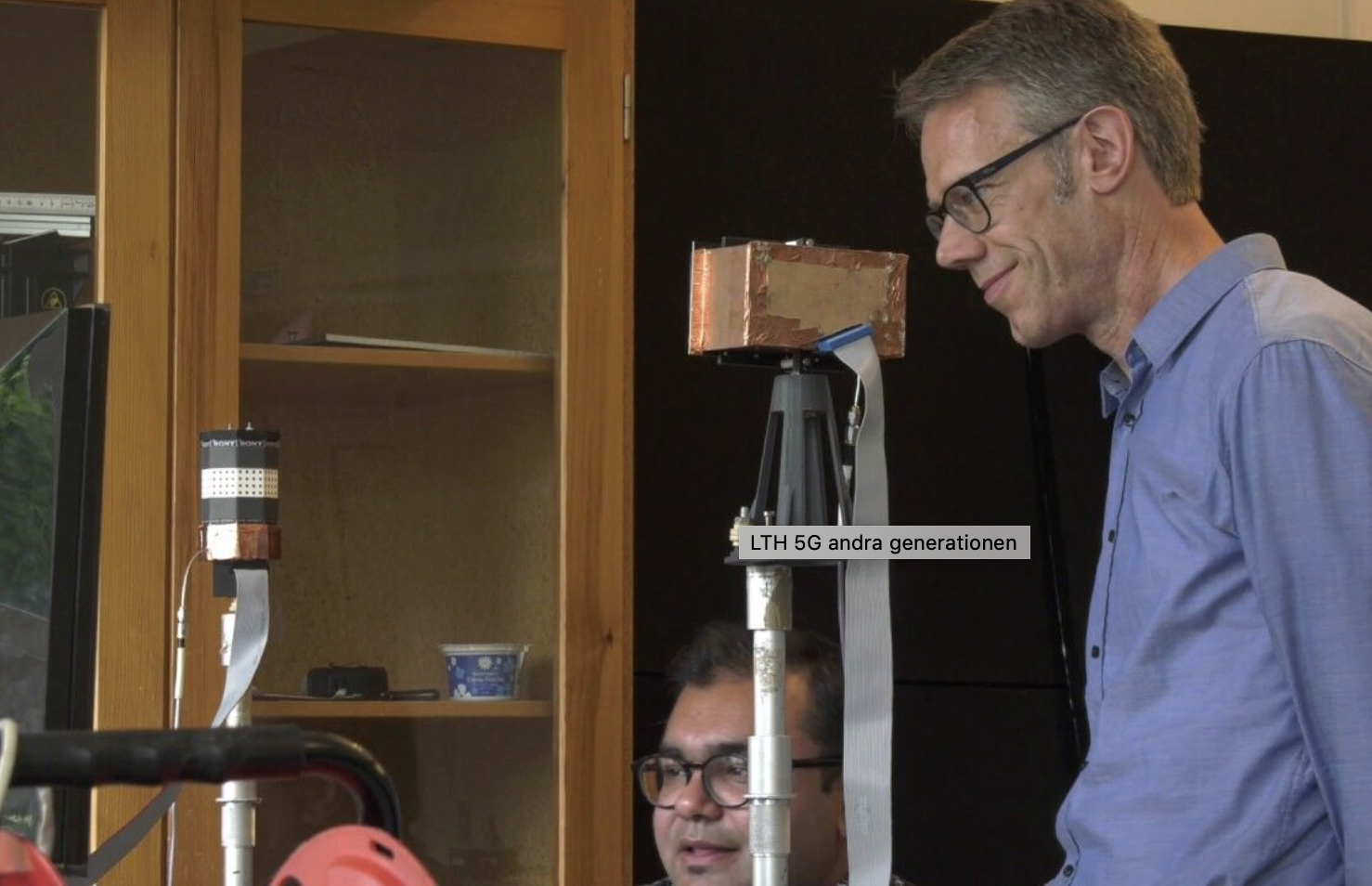
Next generation 5G being developed at LTH
Research for the next generation 5G network is in progress. World unique measuring equipment has been constructed at the Department of Electrical and Information Technology at LTH in cooperation with Ericsson and Sony. The aim is to create a mobile network that is considerably faster and more stable than previously.

Dean's blog: "Congratulations on your graduation!"
This spring, the Graduation Ceremony will not be what it usually is. But LTH's dean Viktor Öwall would still like to congratulate all who normally would have been in the University Hall's auditorium to receive their diploma. Here you can watch the film or read the speech where Viktor Öwall wishes those who have graduated at LTH the best of luck [...]