
Preparing for a warmer climate
A heat wave has spread across Europe in the recent weeks. The extremely high temperatures have put both people and communities to the test. “The heat in the south is a wake-up call for us in the north – we aren’t prepared for extreme heat of this kind,” says Lund University researcher Chuansi Gao, who offers advice on how best to cope with the heat when it reaches the north.
Jessika Sellergren – Published 17 June 2026

Many people enjoy the summer heat, but when temperatures get so high that they make us feel unwell, it’s not so much fun anymore.
Chuansi Gao, Associate Professor in Thermal Environment at The Faculty of Engineering in Lund University, conducts research on how humans are affected by extreme climates. He believes that people in northern Europe are generally less well-equipped to handle extreme heat than those living in more southern countries.
“When heat waves reach us up north, the strain on the body is greater because we aren’t physiologically accustomed to these high temperatures – nor are we as well prepared. We’re often caught off guard when the heat hits.”
Heat stress – a growing occupational health risk
People who work outdoors are particularly at risk. Construction workers, road workers, and others who perform physical work outdoors are exposed to both high air temperatures and direct sunlight, explains Chuansi Gao.
“The body generates a lot of heat during strenuous work. Combined with strong sunlight and the protective clothing required for the job, this makes it significantly harder for the body to cool down and maintain a normal temperature balance,” he says.
When the heat becomes too intense, health risks increase rapidly. Early warning signs of heat stress include heavy sweating, dehydration, headaches, dizziness, and an abnormally high heart rate.
“In the worst-case scenario, the body’s core temperature of 37 degrees can rise by several degrees, which can lead to heatstroke, an acute and potentially life-threatening condition.”
Although the largest increases in heat-related deaths have been recorded in southern Europe, Sweden is no exception.
“Following the 2018 heat wave, the Public Health Agency of Sweden estimates that approximately 700 additional deaths occurred in Sweden,” says Chuansi Gao.
He notes that heat waves are, unfortunately, no longer temporary exceptions; they are part of a new climate reality – “the new normal.”
“The heat in the south is a wake-up call for us in the north – we are not prepared for extreme heat of this kind. We must become better at understanding heat-related health risks, which is especially important for the most vulnerable groups in society, such as those who work outdoors, but also children, the elderly, the sick, and pregnant women,” says Chuansi Gao.
How can we prepare for the heat?
Chuansi Gao shares some tips that are easy to follow but make a big difference in how well the body copes with the heat.
Drink before you get thirsty. Staying hydrated is especially important on hot days, but many people wait too long before drinking. The feeling of thirst can subside after just a few sips of water, but your body needs more fluid than just a few sips. Therefore, drink more than your thirst tells you to – preferably before you feel thirsty.
”An easy way to check your fluid balance is to look at your urine – it should be light yellow, not dark.”
Sweat needs to evaporate. When the air temperature is higher than 34 degrees, the body regulates its temperature through sweating and evaporation. Your body won’t cool down if your sweat remains on your skin. Wear loose-fitting clothing that allows for better ventilation. Also, consider wearing light-colored clothing instead of dark. White clothing reflects light, while black absorbs it, causing it to heat up and further raise your body temperature. Stay in the shade and where there’s a breeze. This reduces the radiant heat from the sun and blows the heat away from your skin.
”For outdoor workers, it is especially important to take breaks in the shade, slow down, and, if possible, avoid working during the hours when temperatures are at their highest. Wearing special cooling or ventilated clothing can also help reduce the risks associated with heat.”
Lower the indoor temperature. Shield your home from the sun from the outside instead of blocking out the light from the inside. Air out your home in the evening, at night, and in the morning when it’s cooler outside than inside. Cross-ventilation can be effective when there’s a breeze and the outside temperature isn’t too high. Use fans indoors; they can help cool your body. If your home has air conditioning, use it with green energy during extreme heat when other measures aren’t working.
”According to recommendations from the Public Health Agency of Sweden, the indoor temperature should not exceed 26 degrees for extended periods.”
Plant trees. Greenery can be described as “the city’s natural air conditioning.” Trees provide shade and cool the air through evaporation. Trees are especially important in places where many city residents gather, such as preschools and senior living facilities. Trees can also provide outdoor workers with a moment of relief from the heat.
”Many municipalities are implementing strategic tree planting as a measure to combat an increasingly warmer climate.”
Be patient when the heat sets in. It takes time for the body to adjust to the heat.
”It usually takes a week for the body to acclimate to a higher temperature. The first few days are the most challenging, but over time we become better at cooling ourselves down – for example, by sweating earlier and more efficiently, while losing less salt.”
Good physical fitness is also important. It is linked to an improved ability to cope with high temperatures. This is due, in part, to more efficient heart and lung function, as well as an increased ability to regulate body temperature through sweating.
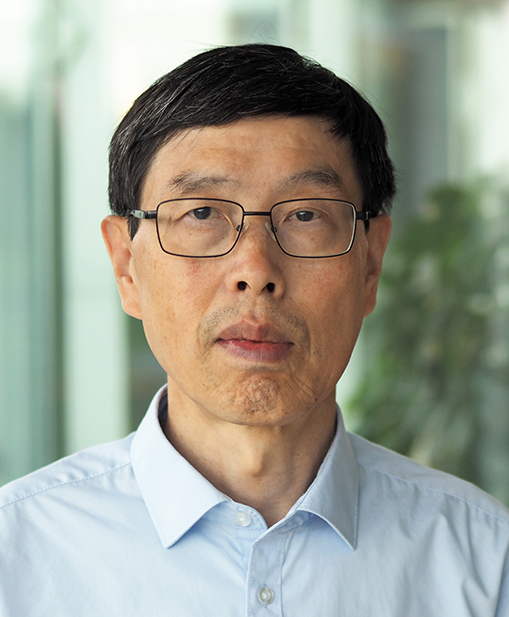
Chuansi Gao
Chuansi Gao är docent i termisk miljö vid Lunds Tekniska Högskola.

The hot seat – an interview during a heat wave
During an ongoing heat wave, simulated in LTH’s climate chamber, Christina Isaxon, associate professor of aerosol technology; Jonas Borell, psychologist and researcher in occupational health and safety engineering; and Ludvig Wahlund Sonesson, climate adaptation strategist for the City of Malmö, are interviewed. While in the midst of the simulated heat wave – with temperatures of 45 degrees and 55 percent humidity – they answer questions about how the body and brain react to heat and how a municipality can prepare for a warmer climate.
The hot seat – an interview during a heat wave – on LTH's YouTube (in Swedish)