How EU agriculture can meet its climate targets
The proposal from the EU’s Scientific Advisory Board on Climate Change is to phase out agricultural subsidies for the activities causing the greatest climate damage, while increasing carbon sequestration and introducing specific price tags for emissions. Here, five Lund University researchers share their views on whether the EU’s agricultural and food system can manage the transition – and what measures would be required.
Tiina Meri and Noomi Egan – Published 13 March 2026
The EU’s agricultural and food system accounts for roughly one third of the Union’s net greenhouse gas emissions. At the same time, extreme weather and lost harvests – problems expected to increase in the future – already cost nearly 30 billion euros per year.
”Over the past twenty years, agriculture has only managed to reduce its methane and nitrous oxide emissions by 7 per cent, which is a very small decrease compared with many other sectors. It is very clear that the EU’s Common Agricultural Policy must change,” says Lars J Nilsson, Professor of Environmental and Energy Systems at LTH and a member of the EU’s Scientific Advisory Board on Climate Change (ESABCC).
On course for failure – at the current pace
A new report from ESABCC shows that the EU’s agricultural and food system is not making progress fast enough for the EU to meet its climate targets, and that the current Common Agricultural Policy (CAP) is not leading to lower emissions, food security, or helping farmers cope with the increasing climate risks that are already most visible in southern Europe. The risk of future food shortages is also something the report says the EU must address.
”The Board recommends phasing out subsidies for the activities that emit the most greenhouse gases, and introducing economic instruments both for reducing emissions and for climate adaptation. Another conclusion is that the food system as a whole must be redirected towards healthier diets and reduced food waste,” says Lars J Nilsson.
A chance to make the polluter pay
The budget for the Common Agricultural Policy is 50 billion euros per year, around one third of the EU’s total budget. The report is timely, as the next seven‑year budget is currently being negotiated.
”There is now a real opportunity to gradually introduce pricing on greenhouse gas emissions and use the revenues to support the agricultural transition and ensure reliable food production within Europe,” says Lars J Nilsson.
”Tie support to measures with proven effect”
Murray Scown, Assistant Professor at the Lund University Centre for Sustainability Studies, has researched CAP from the perspective of how well it contributes to the global sustainability goals. He emphasises that CAP is the single strongest financial mechanism the EU has for steering agriculture in line with its climate targets.
”A revised agricultural policy can be used to provide farmers with financial support during the transition and to strengthen climate adaptation and mitigation efforts. But CAP support for climate adaptation must be directly linked to measures with proven effect.”
However, Murray Scown is uncertain whether the recommendations will actually be heeded.
”Unfortunately, I find it unlikely that agricultural policy will be redirected, not least given that it has so far not aligned with the global goals. We will have to follow how political negotiations – and the agricultural lobby – may influence CAP.”
From annual to perennial crops
Lennart Olsson, Professor of Geography at the Lund University Centre for Sustainability Studies, stresses the importance of fundamentally reforming how agriculture is practised in Europe. He researches how we can transition from annual crops – which deplete soil health, require high levels of pesticides and yearly sowing – to entirely new perennial crops that grow back year after year.
”Agriculture is often seen as a source of so‑called residual emissions, meaning emissions that are difficult to eliminate entirely. But a shift from today’s near‑total dominance of annual crops to new, perennial polycultures has the potential to transform agriculture into a carbon sink. Adapting, breeding and scaling up new perennial grain crops could also contribute to food security under the climate conditions we can expect in the future,” says Lennart Olsson.
”The way forward is increased carbon sequestration”
Lovisa Björnsson, Professor of Environmental and Energy Systems at Faculty of Engineering, highlights the loss of organic matter in agricultural soils.
”Declining soil organic matter in peatlands contributes significantly to greenhouse gas emissions, and reversing this trend should, as the EU’s climate council proposes, be a priority.”
But it is also important to reverse the trend in mineral soils, which make up the majority of Europe’s farmland, she argues.
”Even though the greenhouse gas contribution from declining organic matter in mineral soils where we grow annual crops is relatively small, it leads to other problems, such as reduced fertility, poorer water retention and drainage. These properties are critical for a resilient food system,” says Lovisa Björnsson.
Like Lennart Olsson, she believes that increasing carbon sequestration is a key way forward:
”The EU can stimulate so‑called carbon farming, which involves farmers adding and increasing the storage of organic material in mineral soils. Examples include growing cover crops and using biofertiliser from biogas plants – something that is common in Sweden,” says Lovisa Björnsson.
Biotechnology can reduce import dependence
Cecilia Tullberg is Director of FORCE – the Centre for Food Resilience and Competitiveness. She researches biotechnology and new ways of producing food by using agriculture’s so‑called side streams, for example with the help of microorganisms and enzymes.
”The EU both can and should transform its agriculture. Above all, it must invest in sustainable, fossil‑free alternatives that reduce dependence on imported inputs such as fuel, fertiliser and seed,” says Cecilia Tullberg.
To succeed, the EU must also promote what is produced within the Union to a greater extent, she argues.
”For example, we must reduce soy imports and use beans and peas that improve soil health and can be grown more locally. We need to make better use of everything that is produced, and use both agricultural and food‑production side streams. Biotechnological solutions can become important tools for this.”
More locally produced food in the future
What does she, as a food researcher, say about the hot potato – meat consumption?
”We generally need to consume more legumes and whole grains for the sake of both health and the climate, and less meat. However, livestock farming is an important part of Sweden’s food and agricultural landscape – not least for biodiversity and for farmers’ resilience. So when we do eat meat, it becomes all the more important to choose sustainably produced options,” says Cecilia Tullberg.
For consumers, a more sustainable food system could mean more locally grown and locally produced food, benefiting both quality and taste.
”With a safer and more flexible food system, the likelihood also increases that we can produce food within the EU for generations to come.”
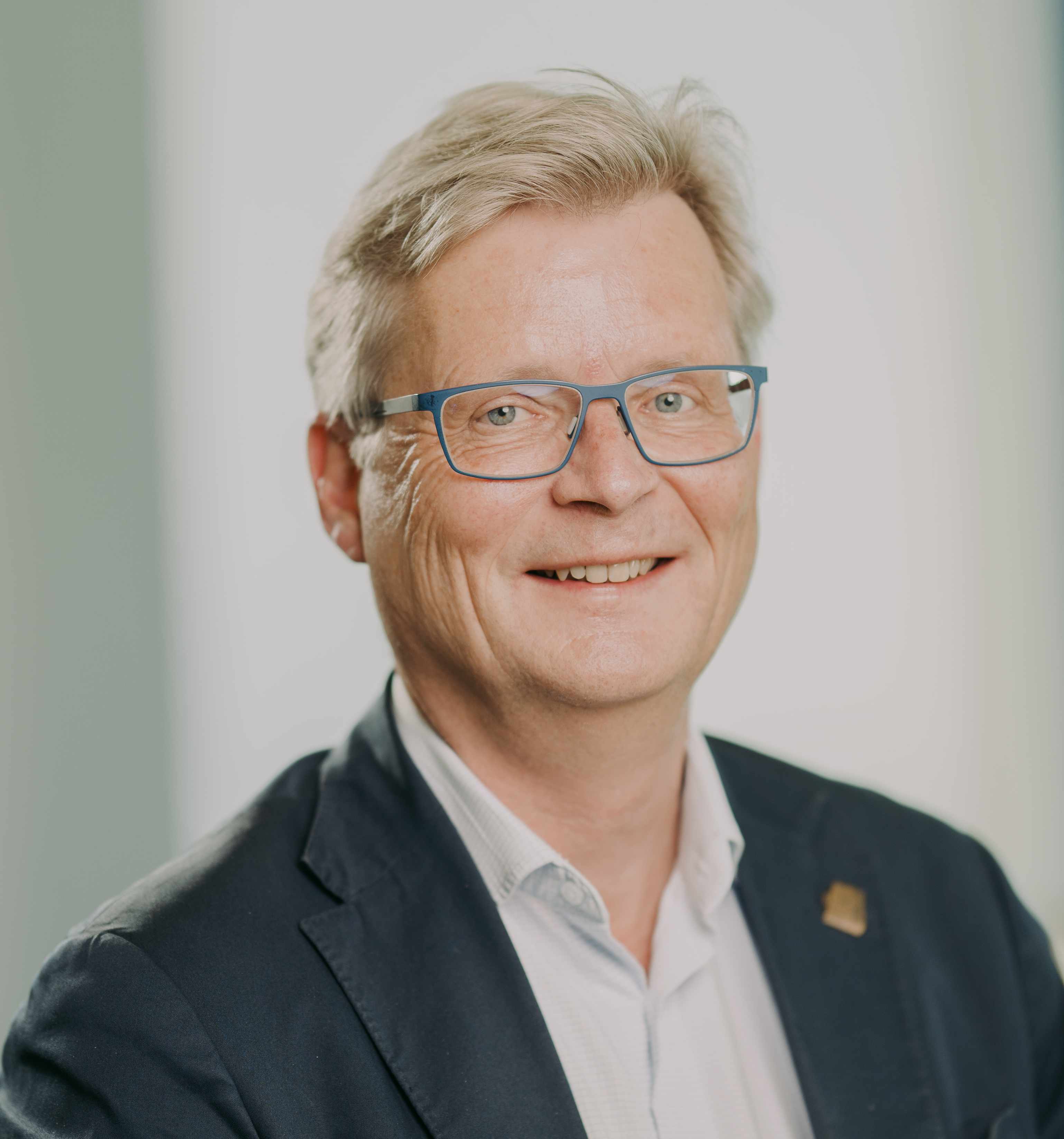
Lars J Nilsson
Lars J Nilsson, Professor of Environmental and Energy Systems LTH, Faculty of Engineering, is now serving his second term on the EU’s Scientific Advisory Board on Climate Change (ESABCC).
More about Lars J Nilsson’s research can be found on Lund University’s research portal, Lucris.
The EU’s Climate Council
The European Scientific Advisory Board on Climate Change provides the EU with scientific knowledge, expertise and advice on climate change.
The Board evaluates policy and identifies measures and opportunities for successfully achieving the EU’s climate targets. It was established in 2022 through the European Climate Law and consists of 15 independent leading scientific experts covering a wide range of relevant disciplines.
Here you will find ESABCC’s report from March 2026 on the transformation of the EU’s agricultural and food systems:
EU’s agri-food system must prepare for rising climate risks and accelerate emission reductions
Perennial crops
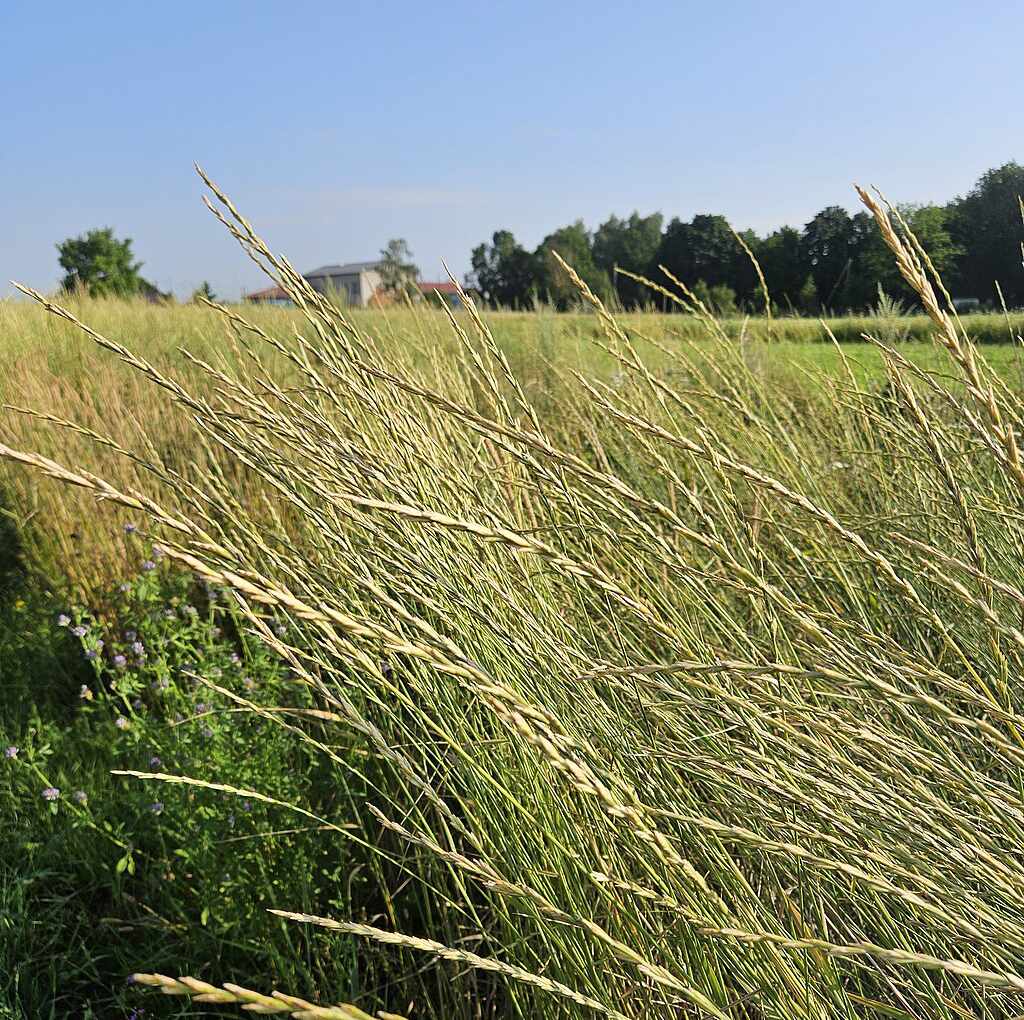
Perennial crops grow back year after year, unlike cereals such as wheat, oats and barley. In this way, the soil retains more nutrients (such as nitrogen and phosphorus), which otherwise cause significant harm when they enter groundwater and surrounding lakes and seas.
They also bind more carbon than conventional crops and can therefore reduce the risk of climate change. At the same time, their deep root systems make them more resilient to drought and flooding.
The photo shows the wheatgrass Kernza. Photo: Wikimedia Commons
Side streams and residual streams
Side streams arise during the production of a product and have the potential to be used in another process or refined into a new product.
Residual streams refer to the material left over once a process is complete.